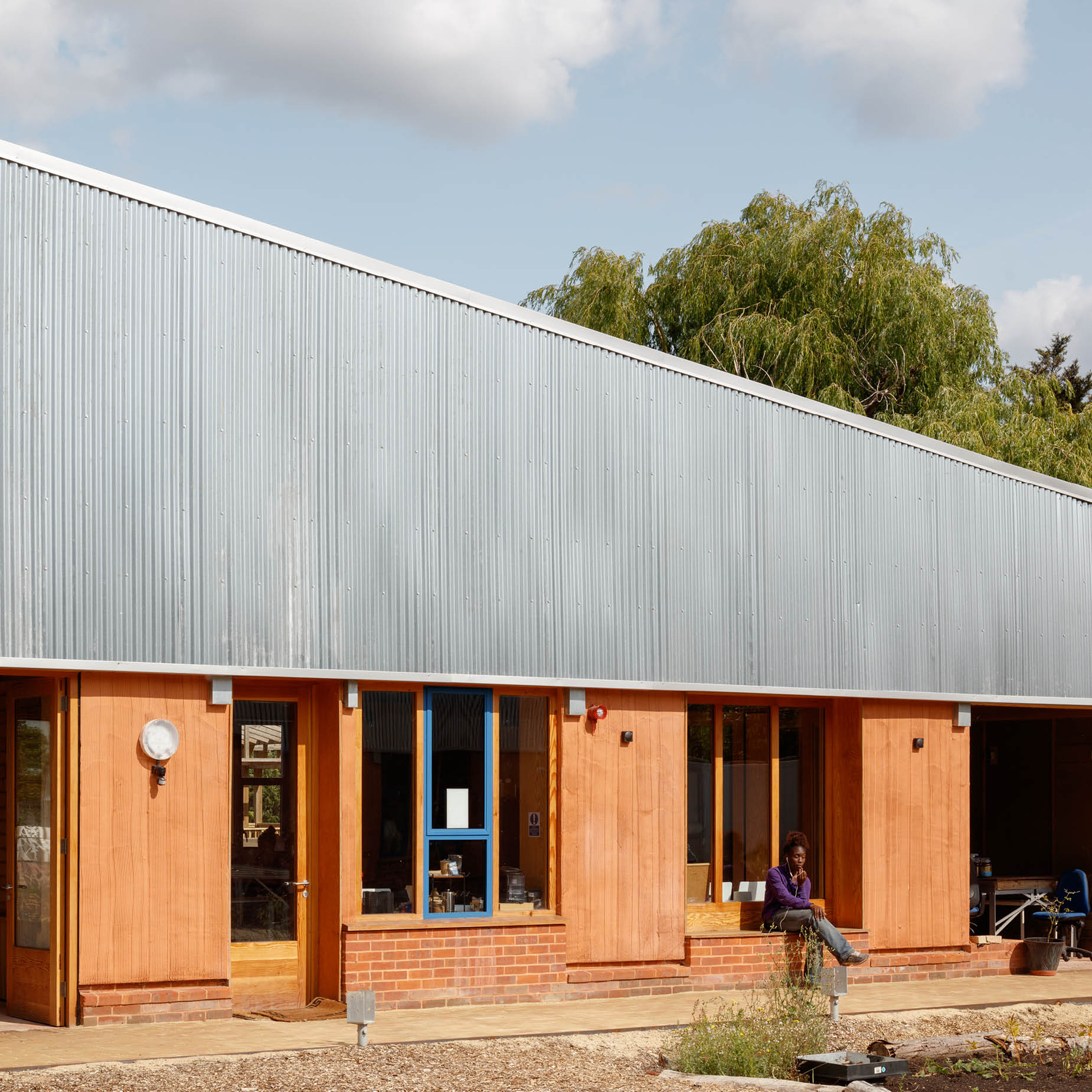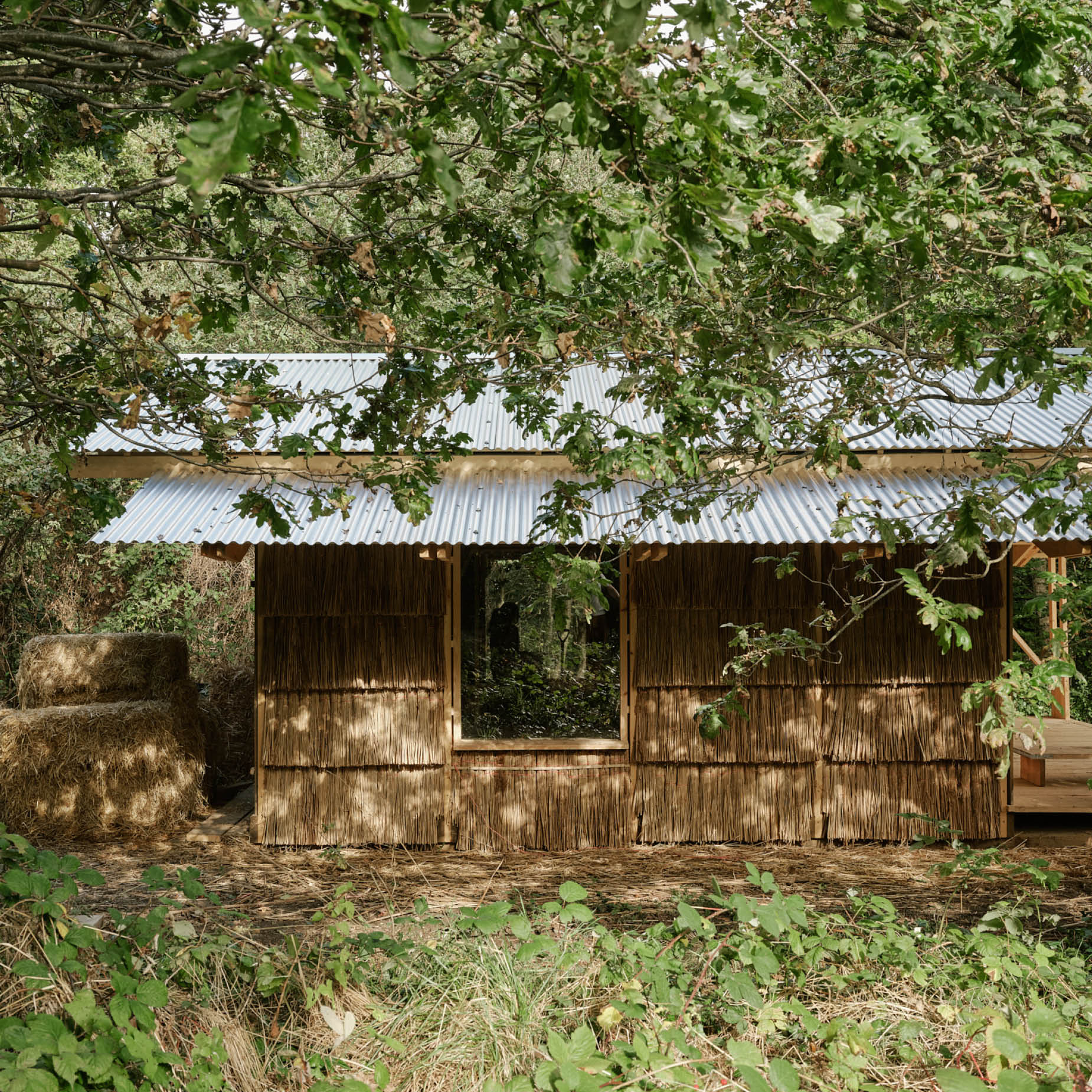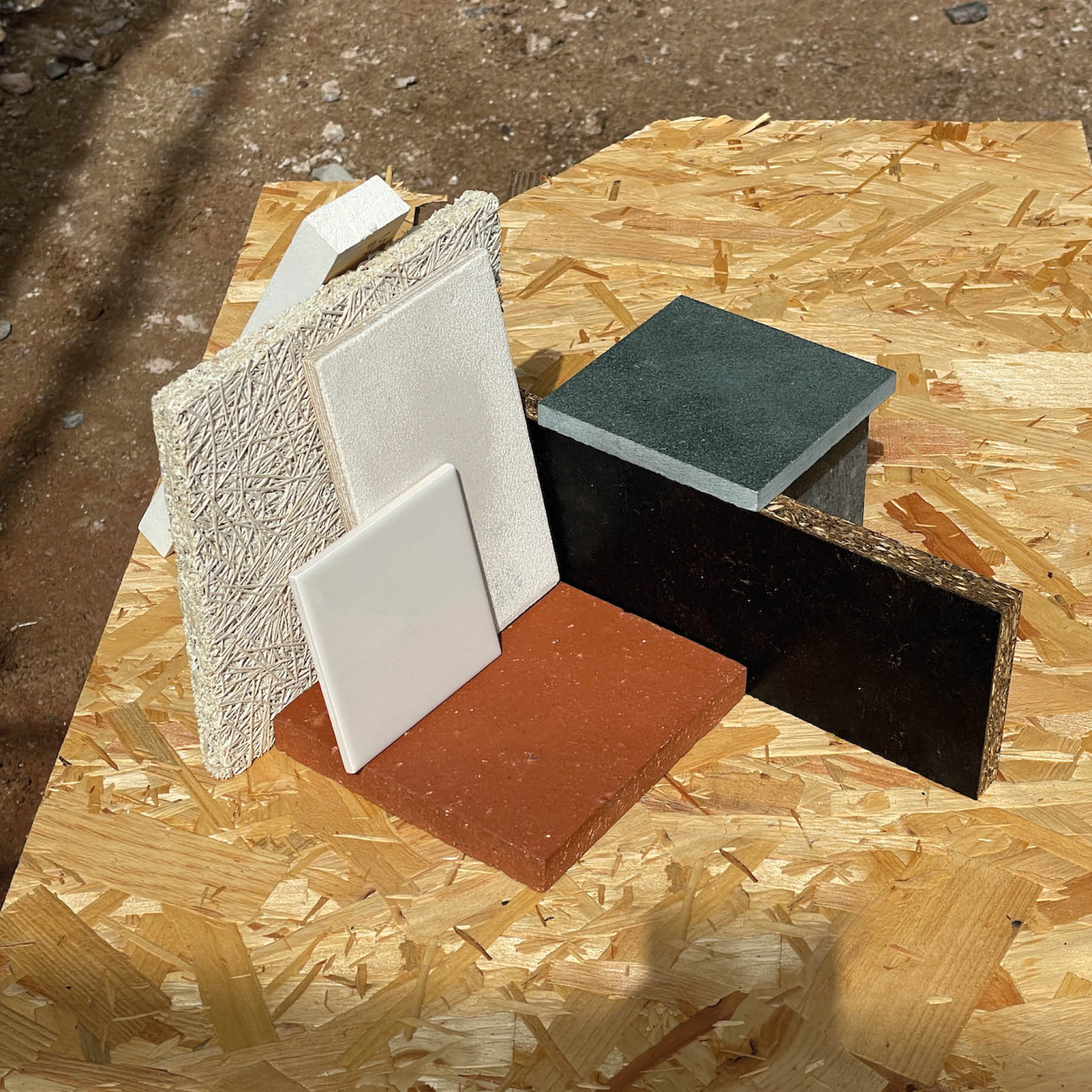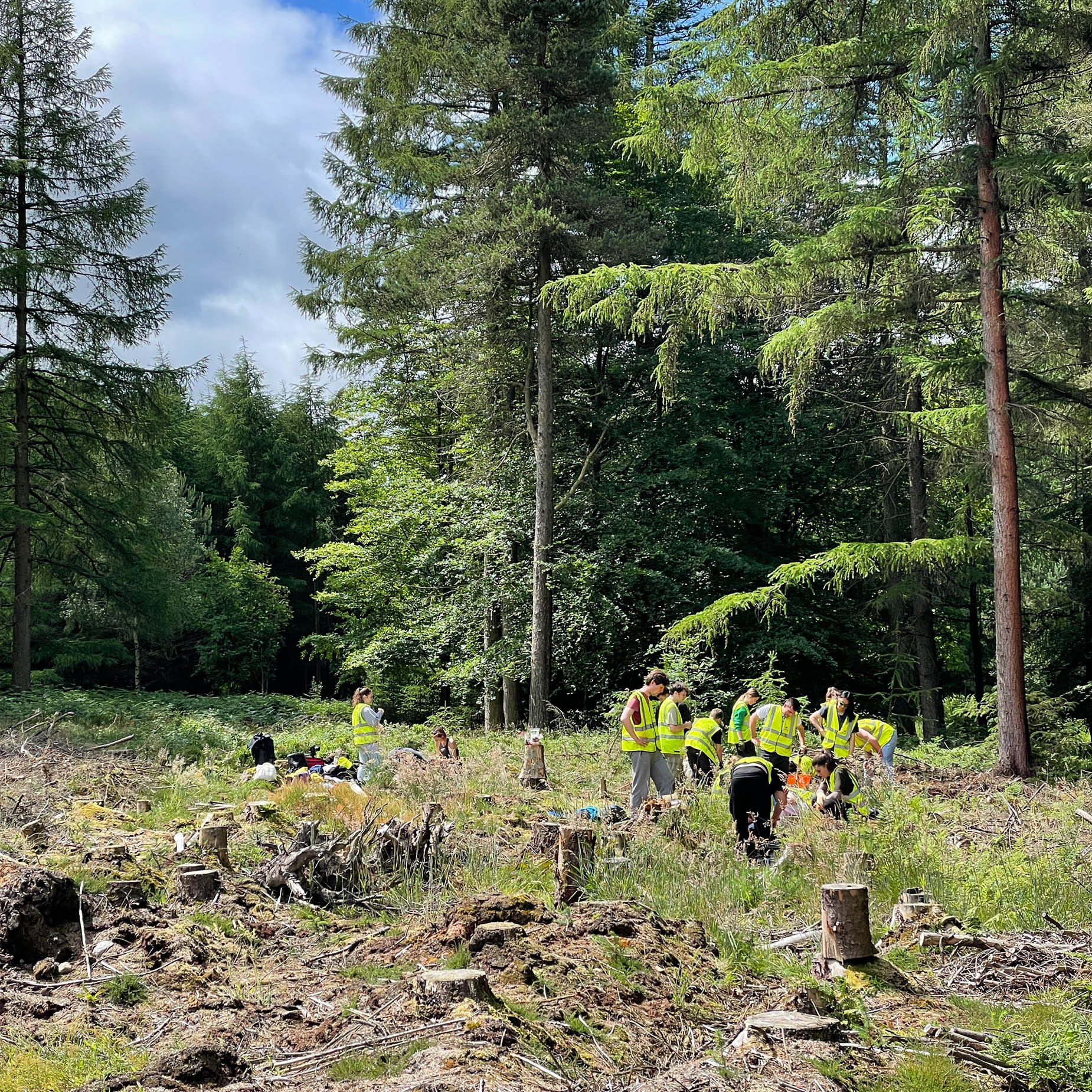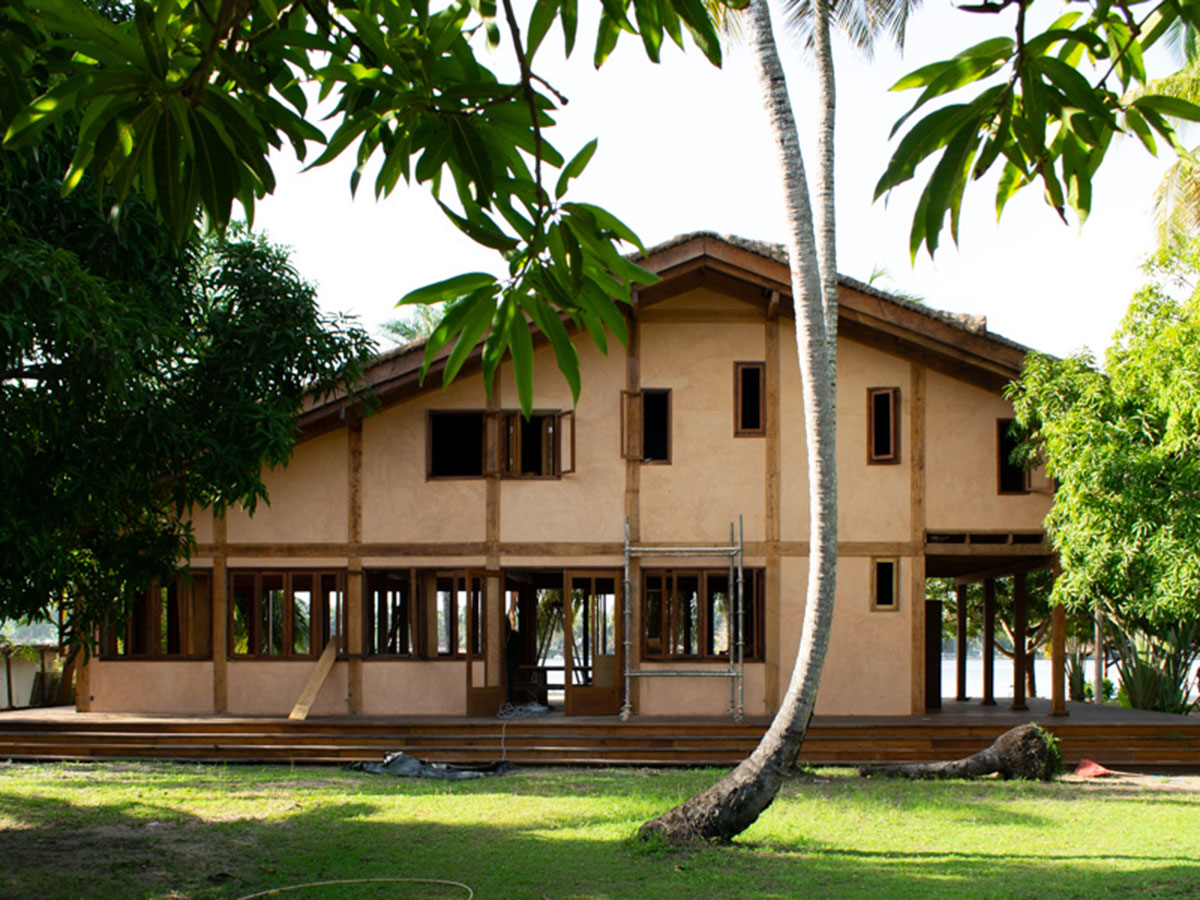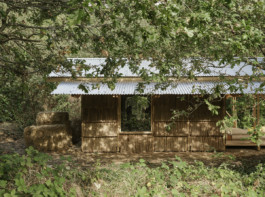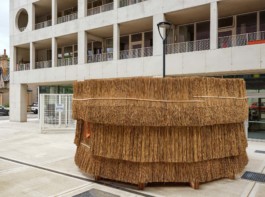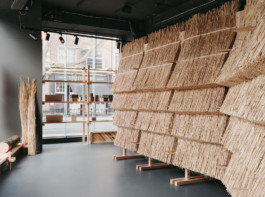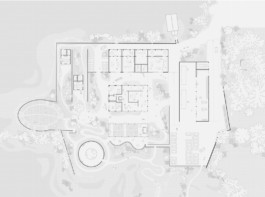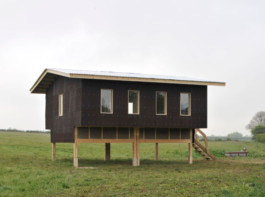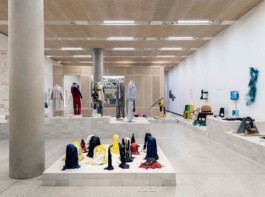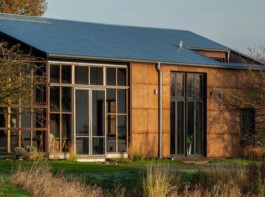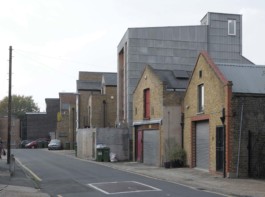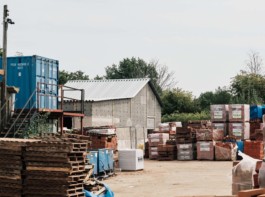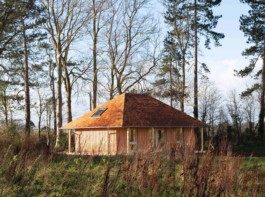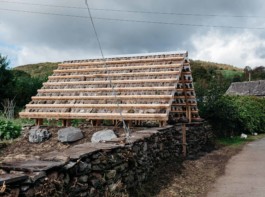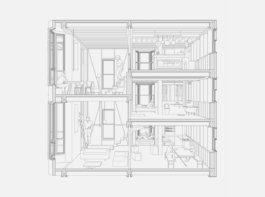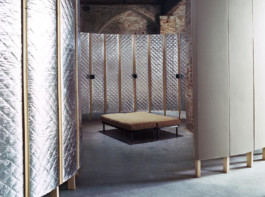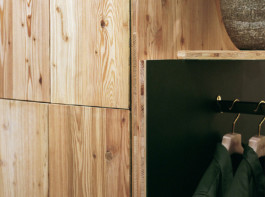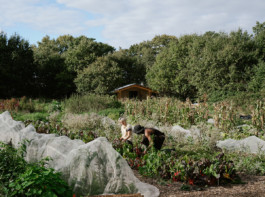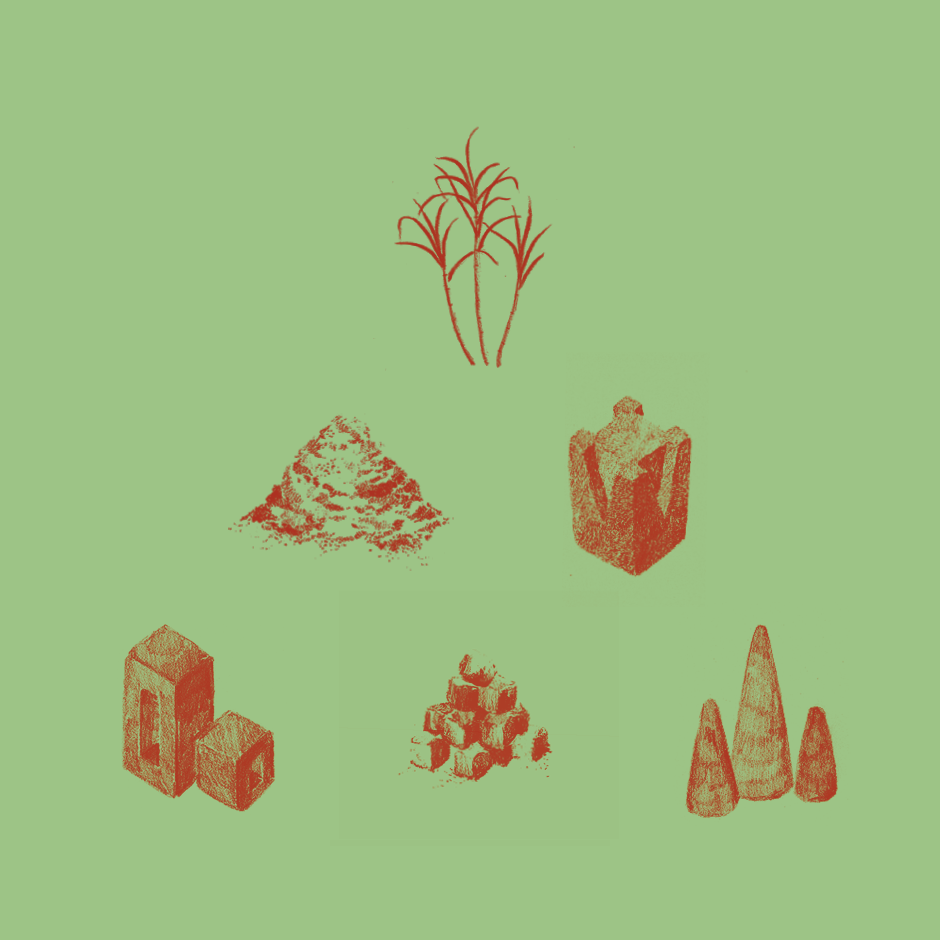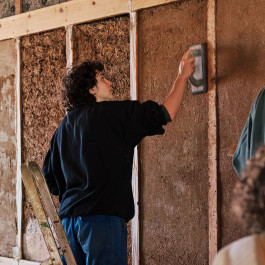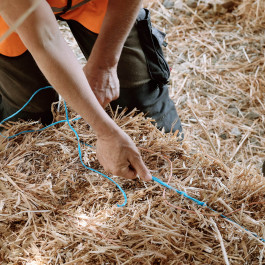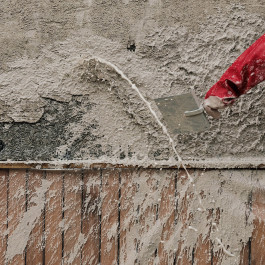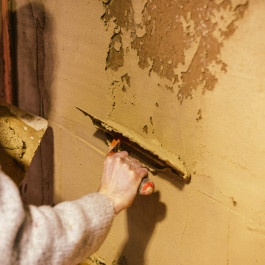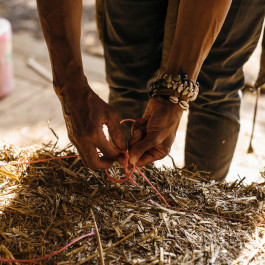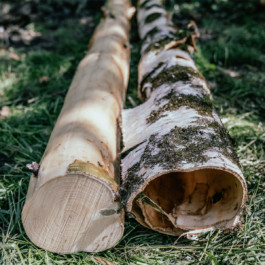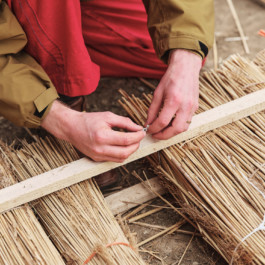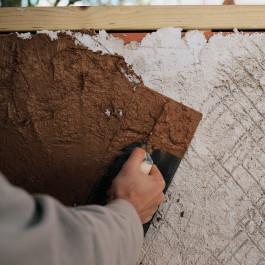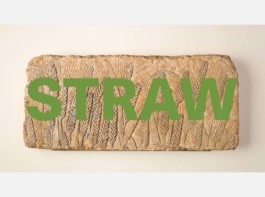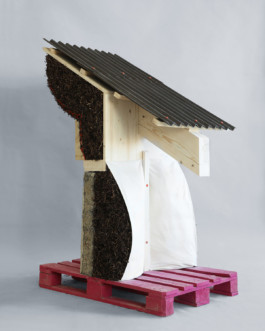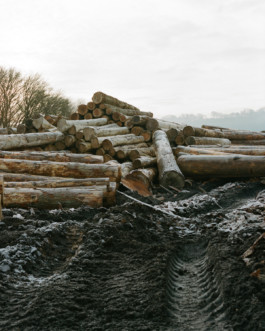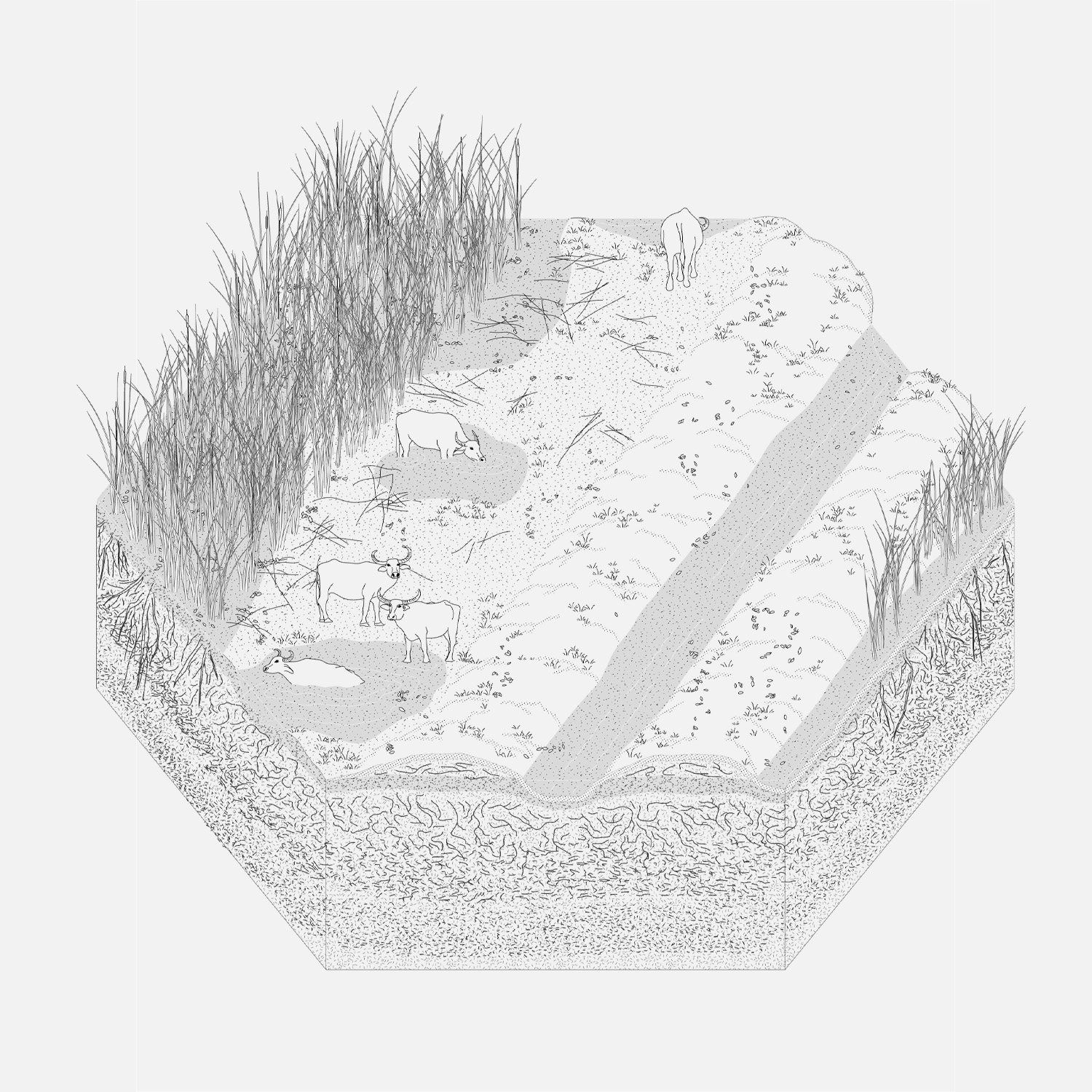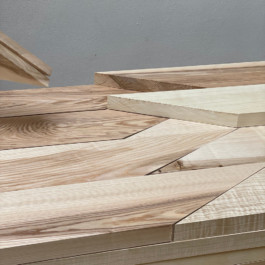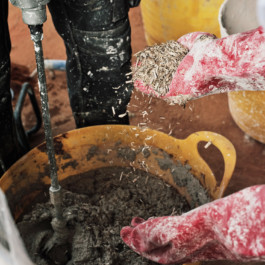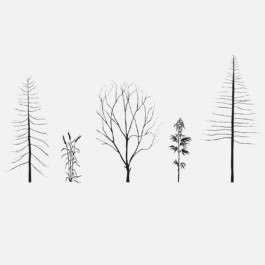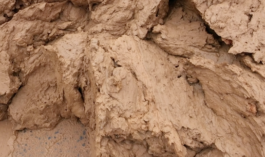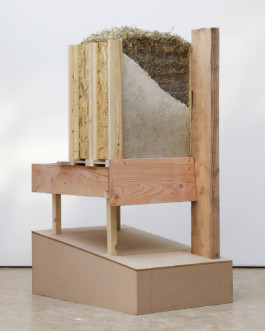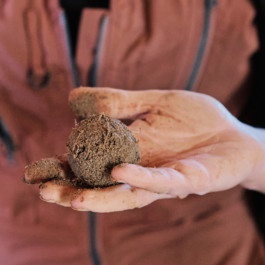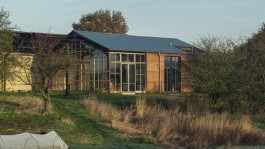


Every project begins with a material strategy that is rooted in place: in the history, geology and ecology of the site. We develop designs that are low-impact and long-lasting, richly textured and deeply connected to place. Buildings made this way age beautifully, are more sustainable and better for the people who inhabit them.



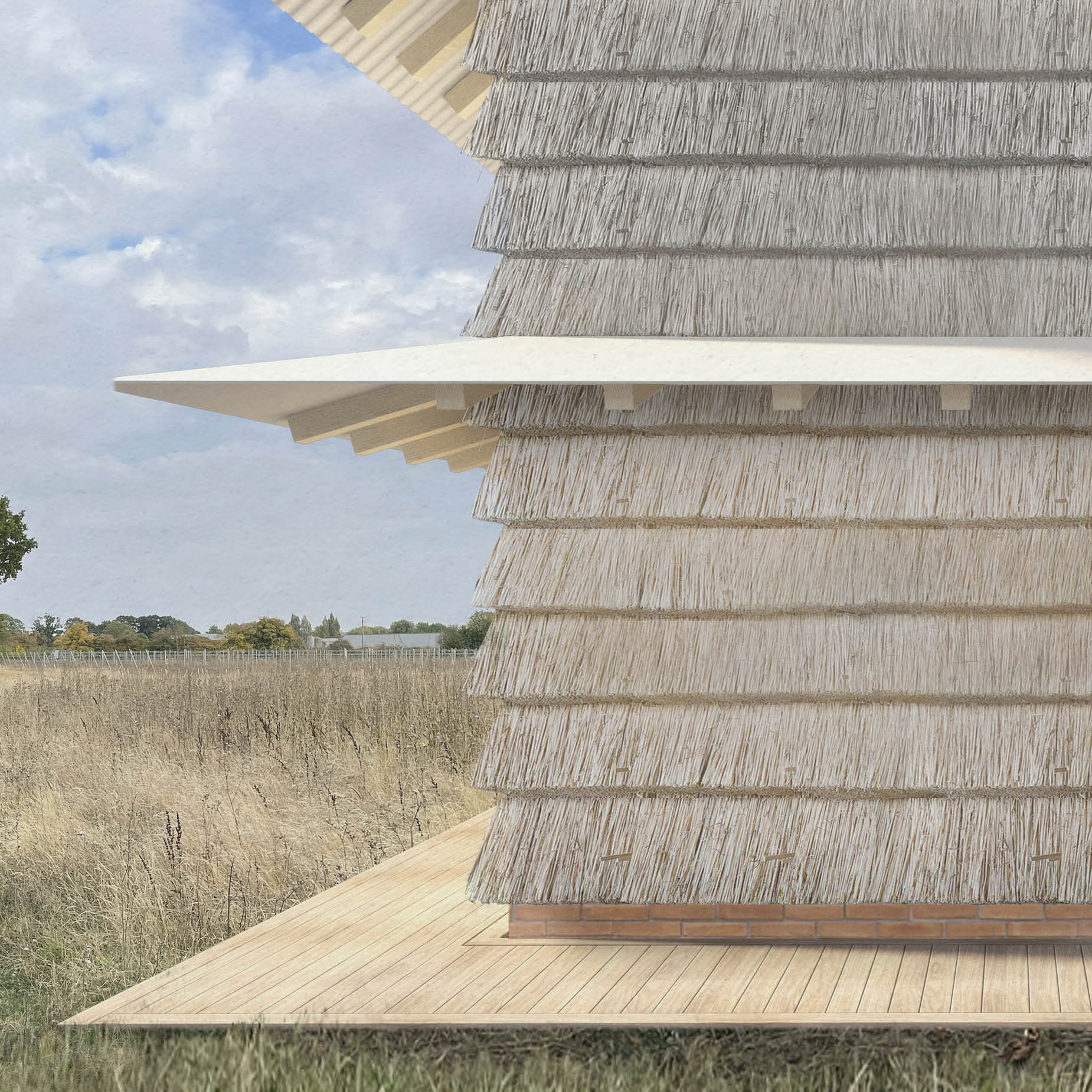
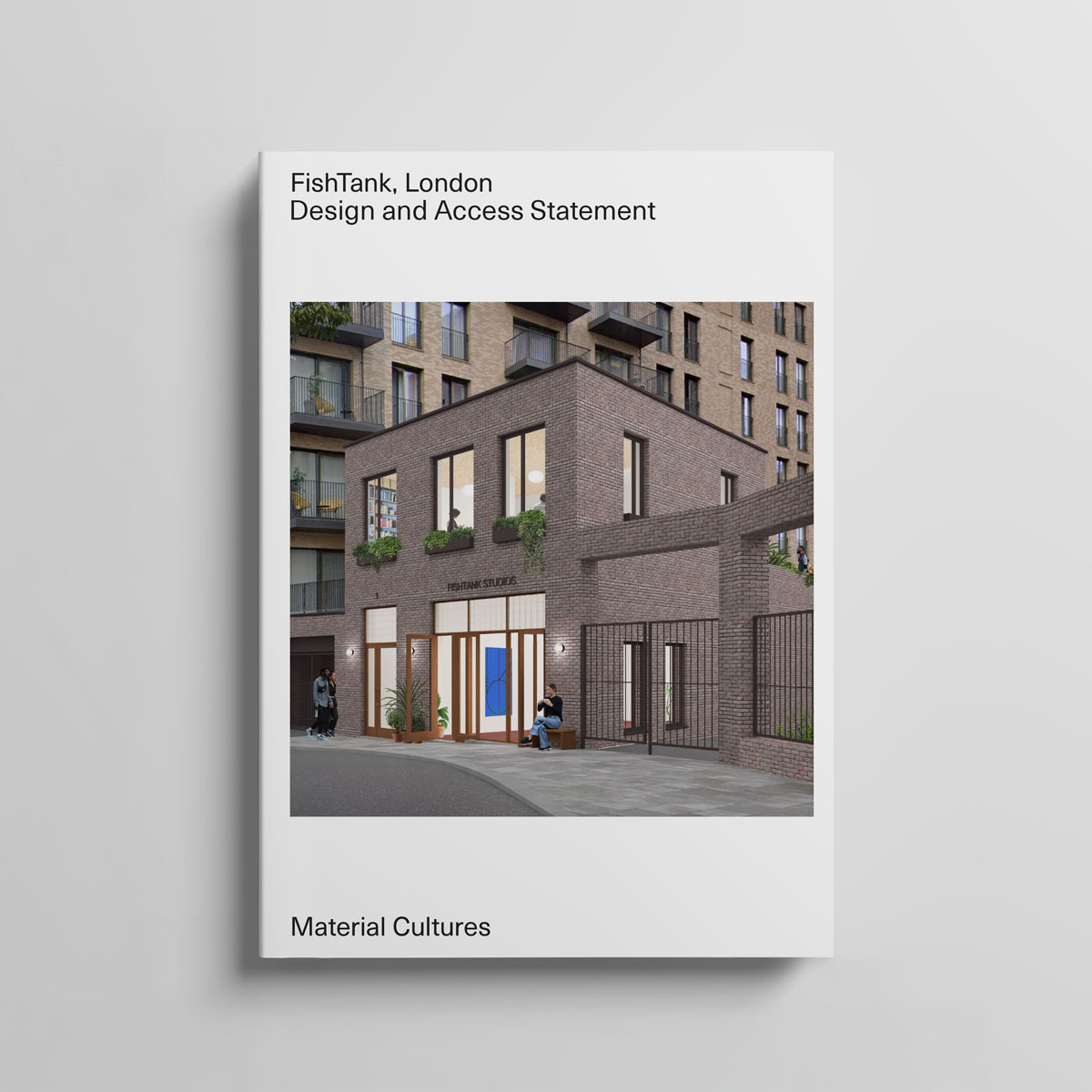
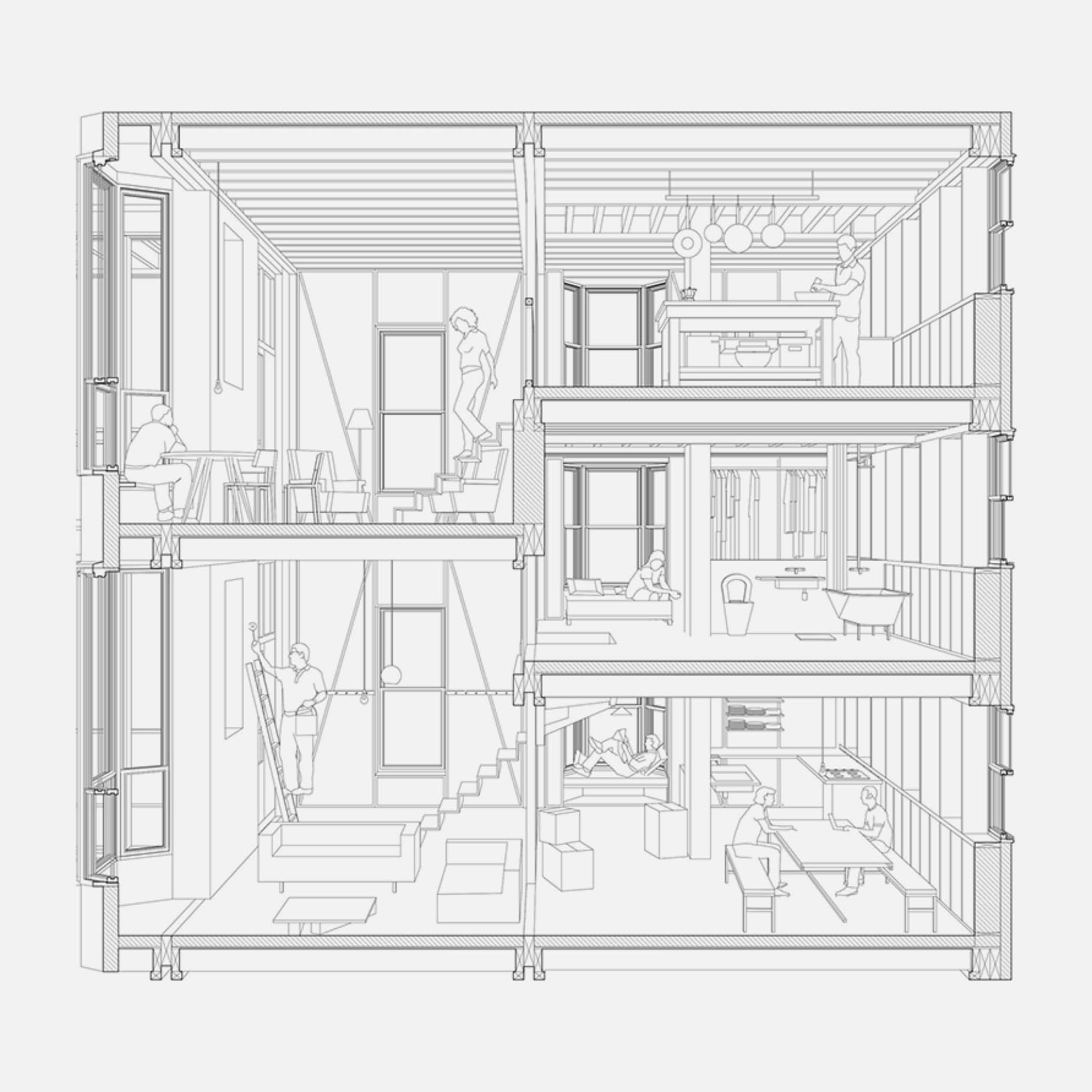
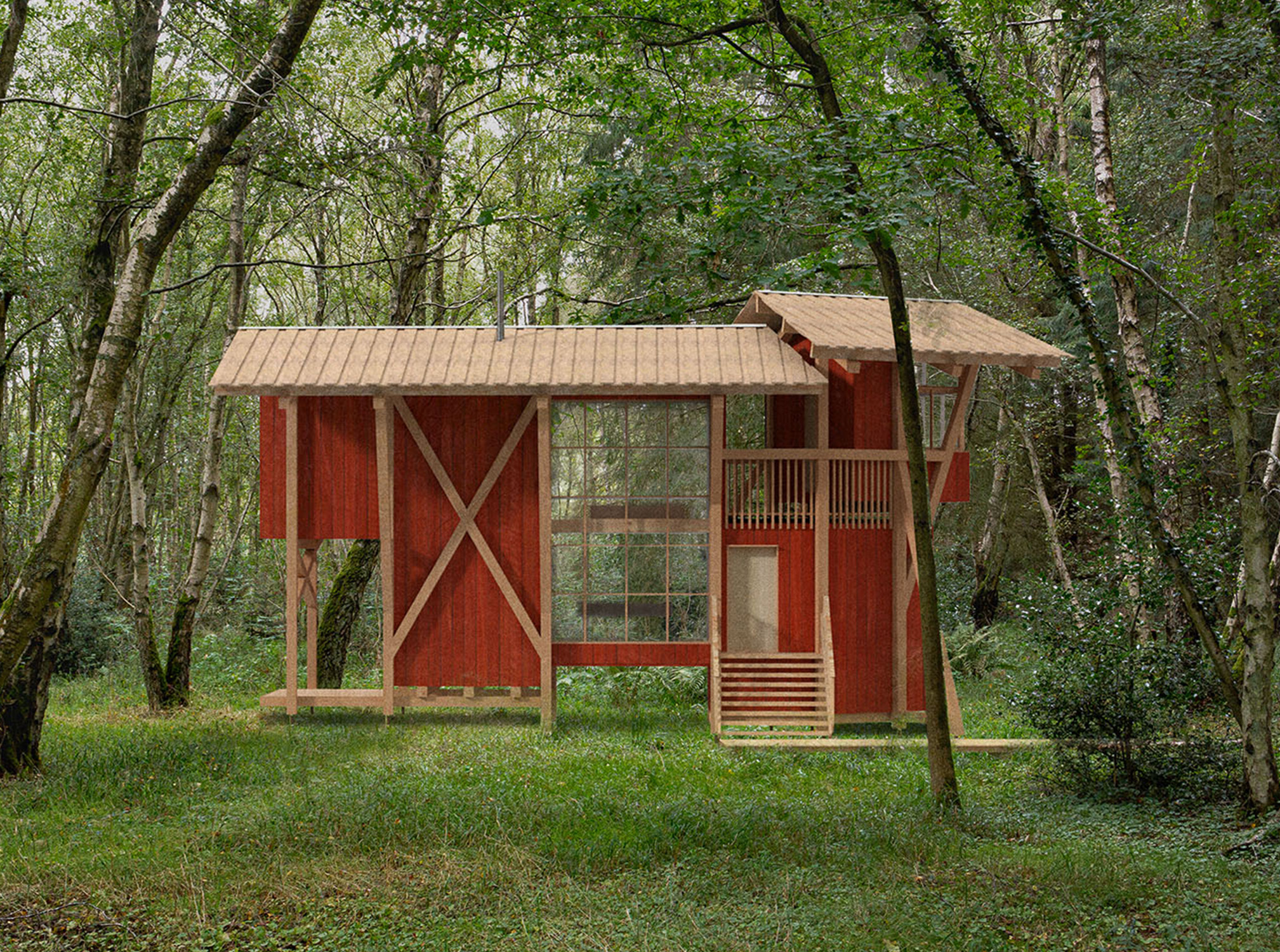
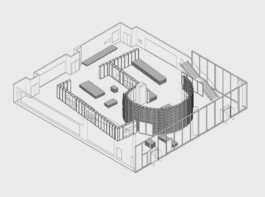
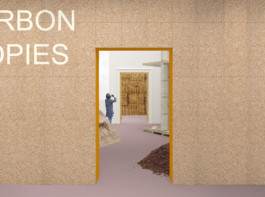
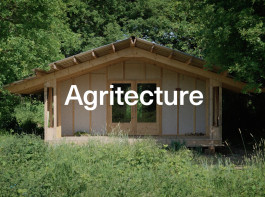
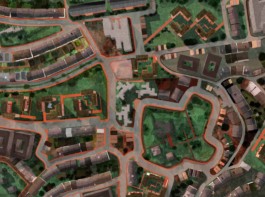
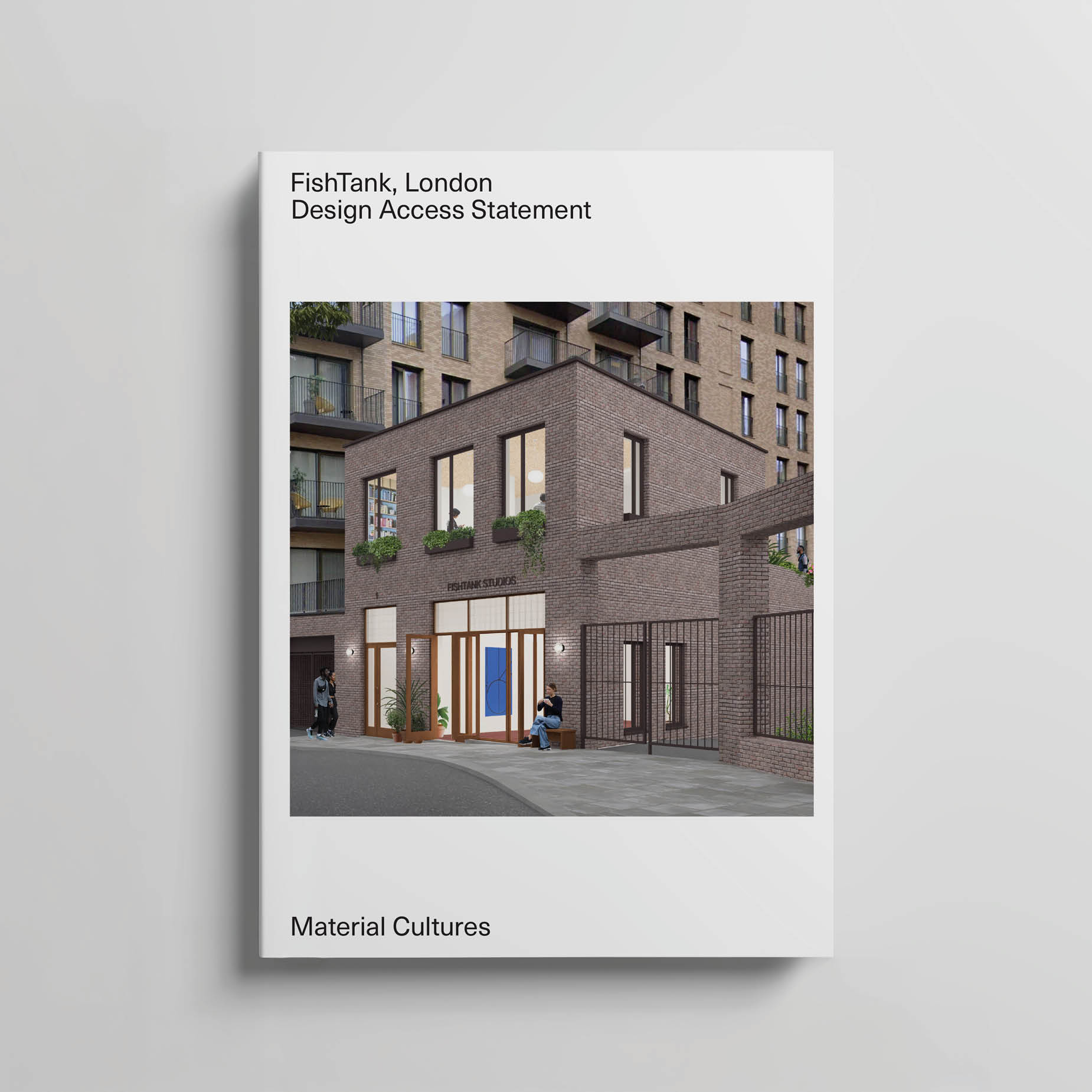
We navigate planning policies and requirements on behalf of our clients, developing documentation and visualisations to support successful applications. We guide projects through each stage of the regulatory process — from planning applications to building regulation sign-off — and have a strong track record of securing permissions in sensitive contexts. We don't treat these processes as obstacles; we treat them as part of the work.


We navigate planning policies and requirements on behalf of our clients, developing documentation and visualisations to support successful applications. We guide projects through each stage of the regulatory process — from planning applications to building regulation sign-off — and have a strong track record of securing permissions in sensitive contexts. We don't treat these processes as obstacles; we treat them as part of the work.


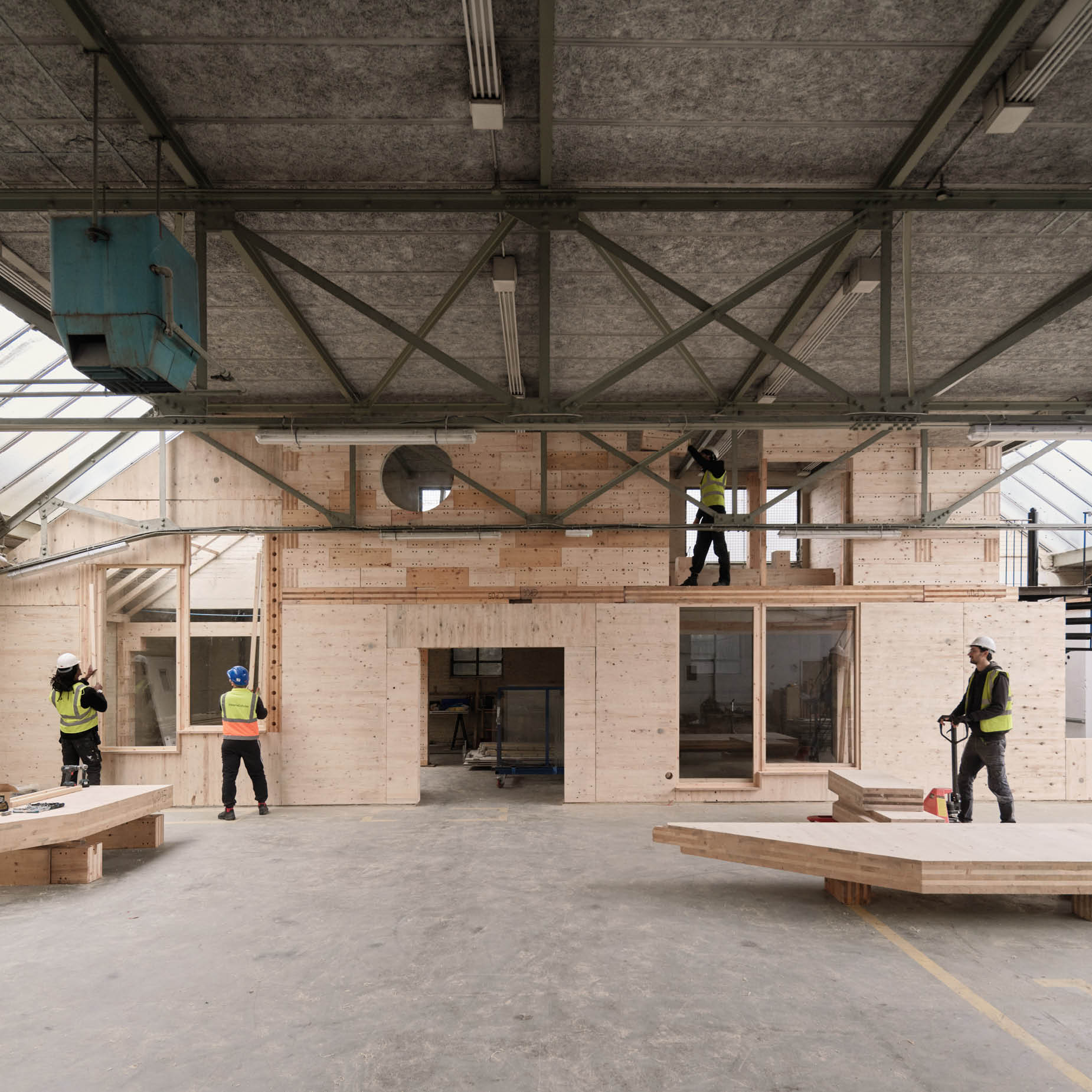
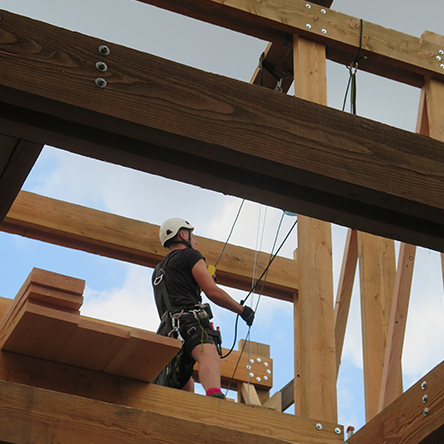
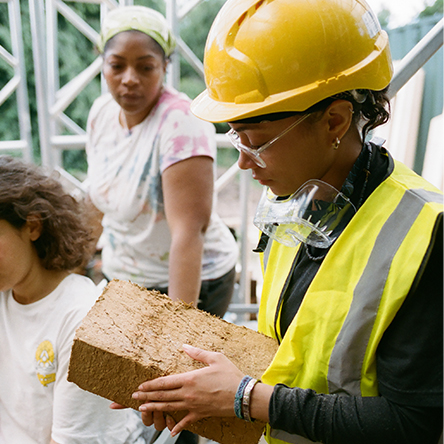
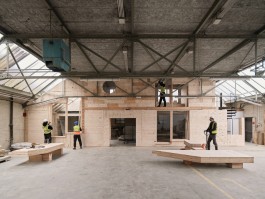
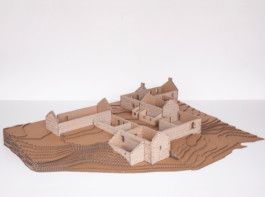
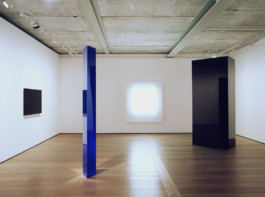
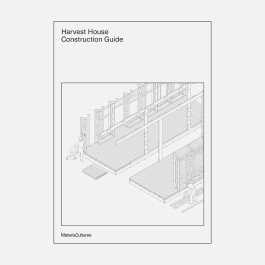
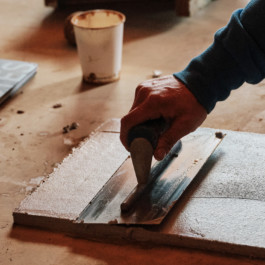
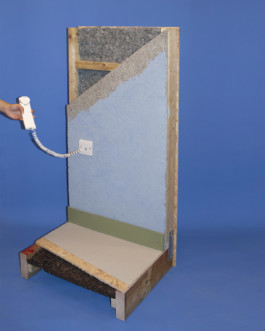
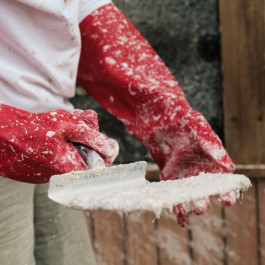
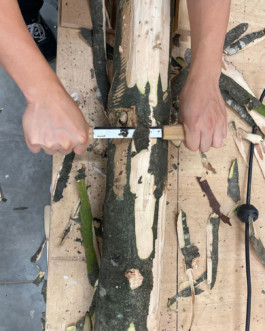
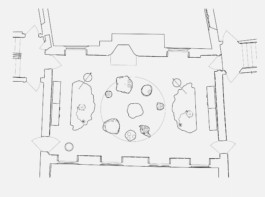
A building is only as good as its making. Once construction information has been developed, we stay close to the works on site — supporting contractors, resolving problems as they arise, and making sure the care put into the design carries through to the finished building. We can also draw on a wide network of skilled builders and specialist makers, and help you find the right people for the work at hand.


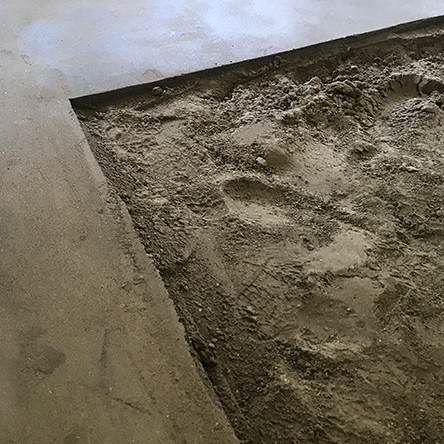
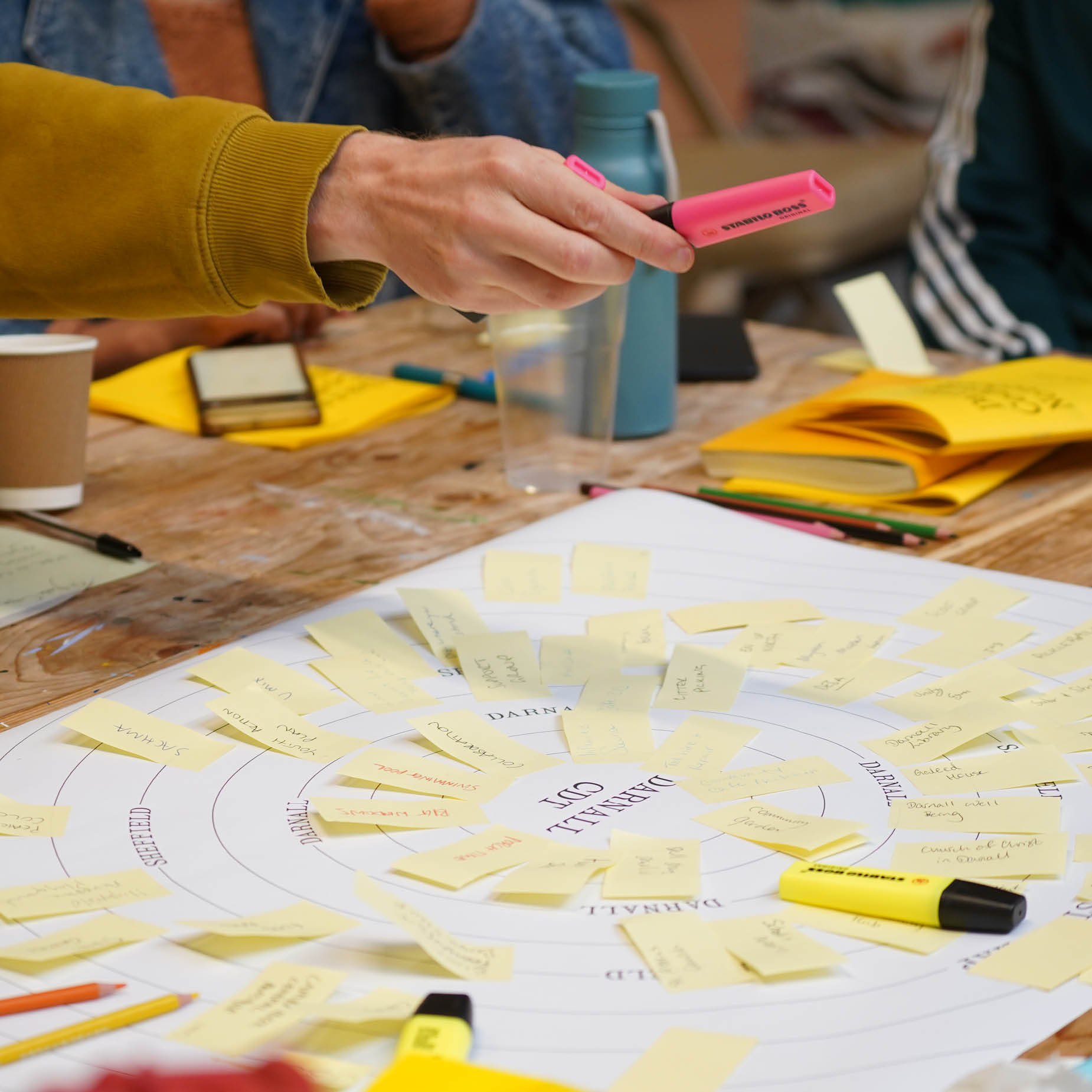
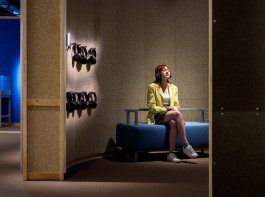
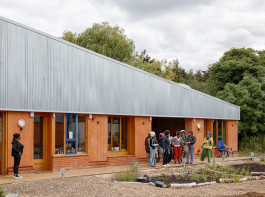
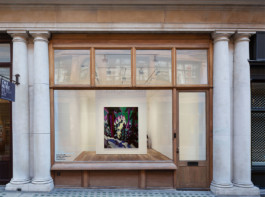
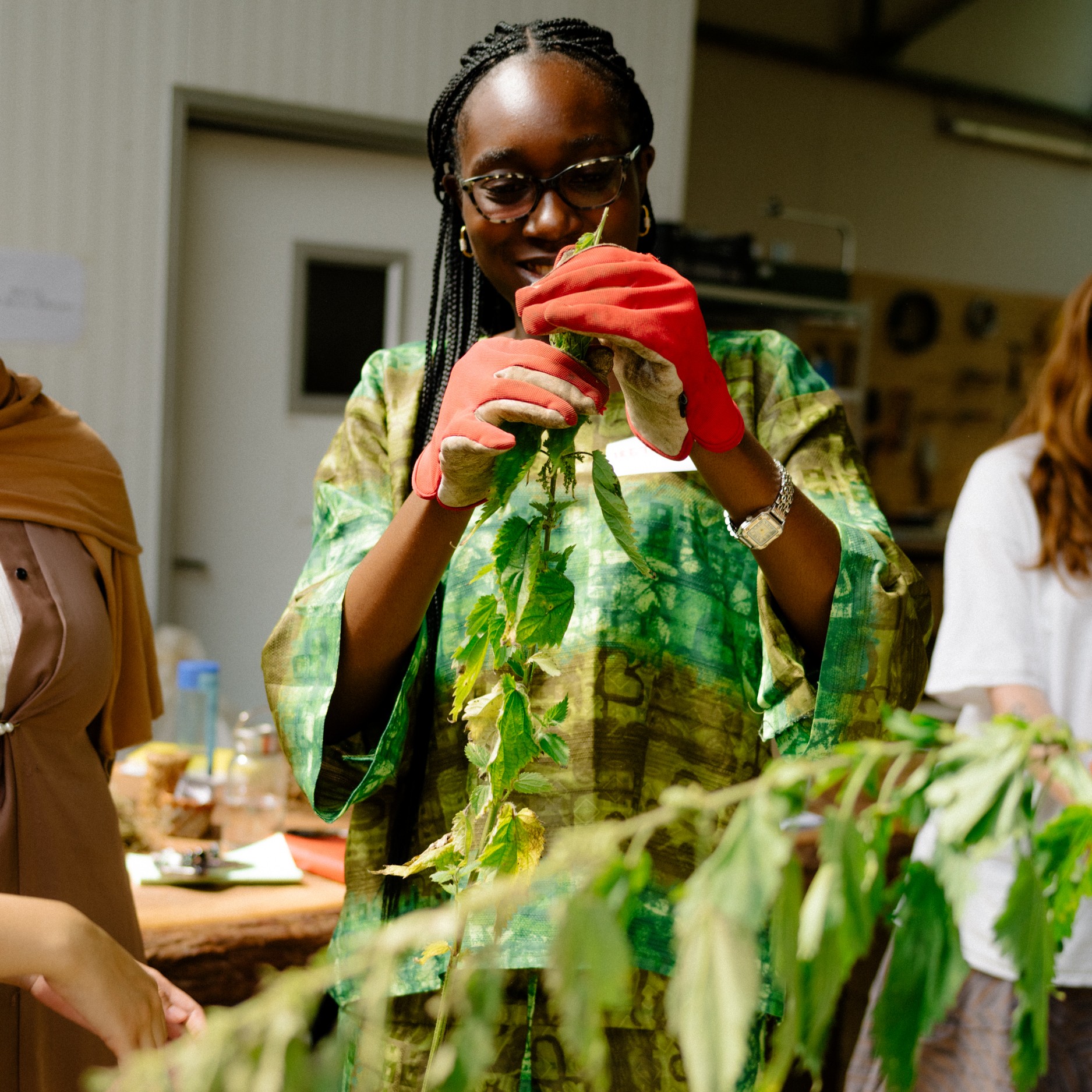
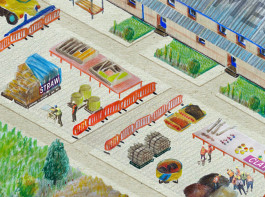
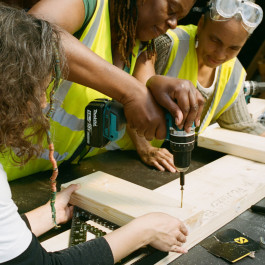
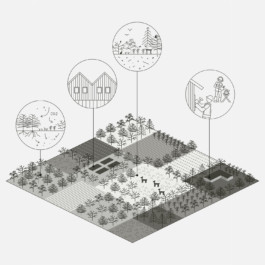
Creating a building or space is an opportunity to do more than solve a brief. Co-design expands the traditional relationship between architect and client to create processes that enable genuine participation and shared decision-making. It starts from the recognition that social, cultural and lived experience are not peripheral to good design — they are central to it. The result is buildings and spaces that more fully reflect the people who will use them.


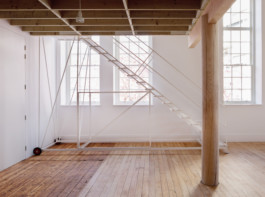
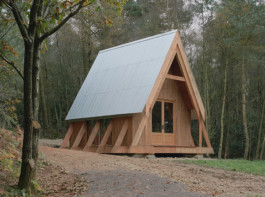
Every project begins with a material strategy that is rooted in place: in the history, geology and ecology of the site. We develop designs that are low-impact and long-lasting, richly textured and deeply connected to place. Buildings made this way age beautifully, are more sustainable and better for the people who inhabit them.



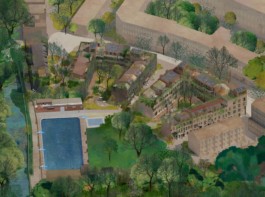
We navigate planning policies and requirements on behalf of our clients, developing documentation and visualisations to support successful applications. We guide projects through each stage of the regulatory process — from planning applications to building regulation sign-off — and have a strong track record of securing permissions in sensitive contexts. We don't treat these processes as obstacles; we treat them as part of the work.


We navigate planning policies and requirements on behalf of our clients, developing documentation and visualisations to support successful applications. We guide projects through each stage of the regulatory process — from planning applications to building regulation sign-off — and have a strong track record of securing permissions in sensitive contexts. We don't treat these processes as obstacles; we treat them as part of the work.


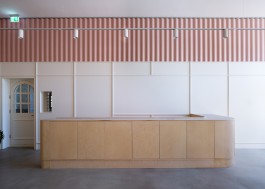
A building is only as good as its making. Once construction information has been developed, we stay close to the works on site — supporting contractors, resolving problems as they arise, and making sure the care put into the design carries through to the finished building. We can also draw on a wide network of skilled builders and specialist makers, and help you find the right people for the work at hand.


Creating a building or space is an opportunity to do more than solve a brief. Co-design expands the traditional relationship between architect and client to create processes that enable genuine participation and shared decision-making. It starts from the recognition that social, cultural and lived experience are not peripheral to good design — they are central to it. The result is buildings and spaces that more fully reflect the people who will use them.