

▦ DATE: 8th- 9th October 2024, 19th November 2024, & 18th February 2025
▥ LOCATION: Makespace Oxford
▨ WITH: Francesca Leibowitz & Barbara Jones


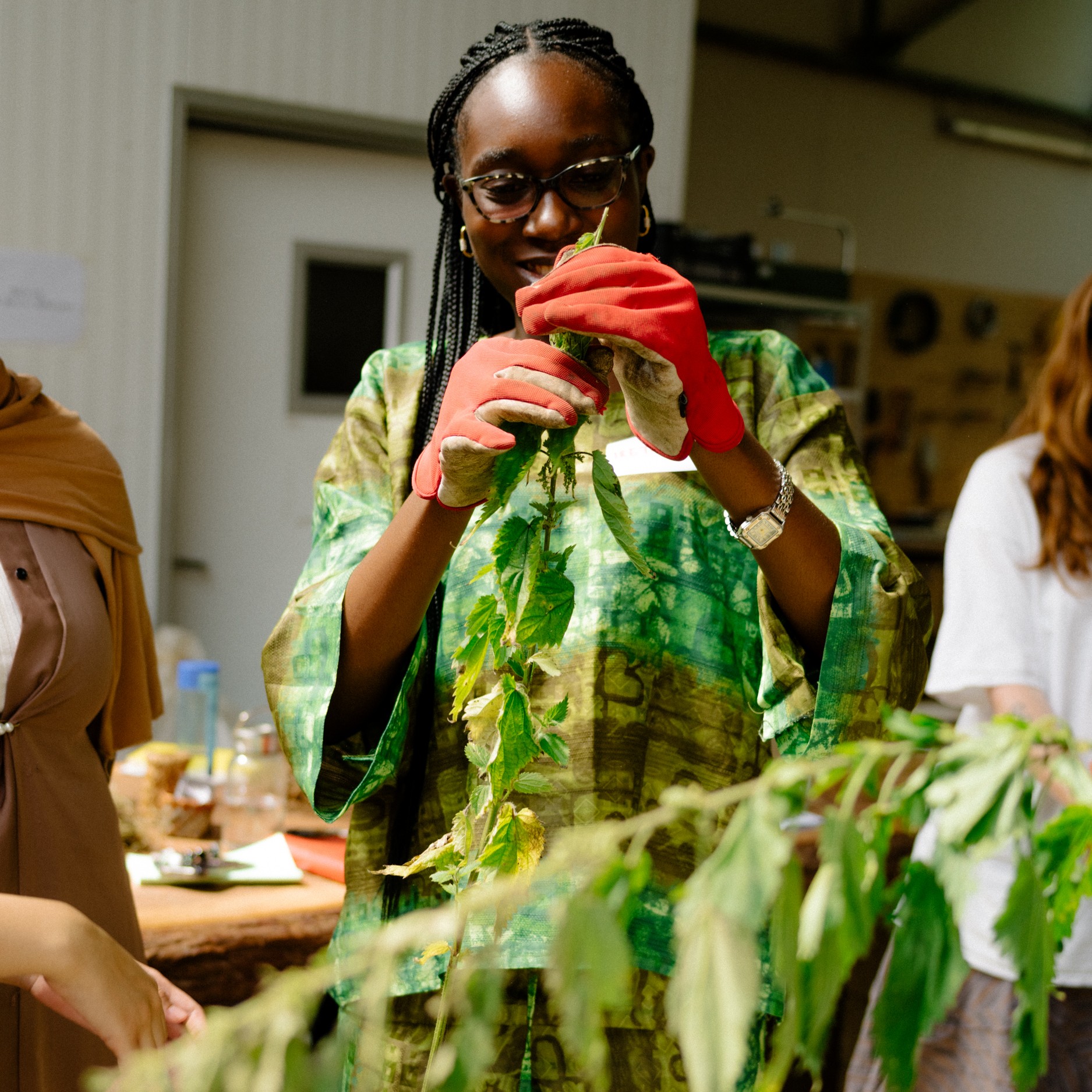
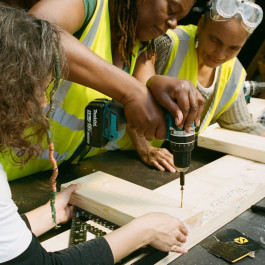
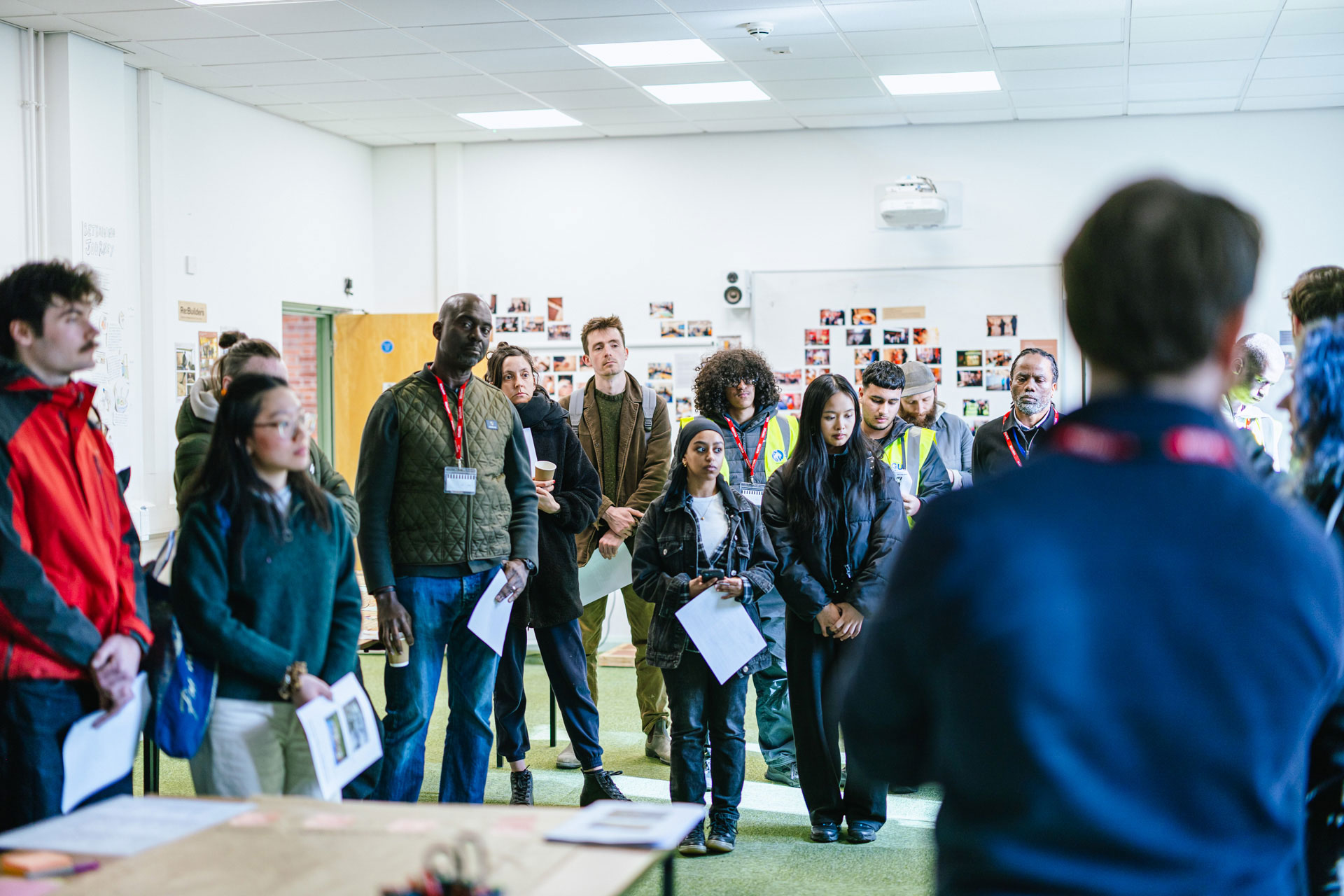
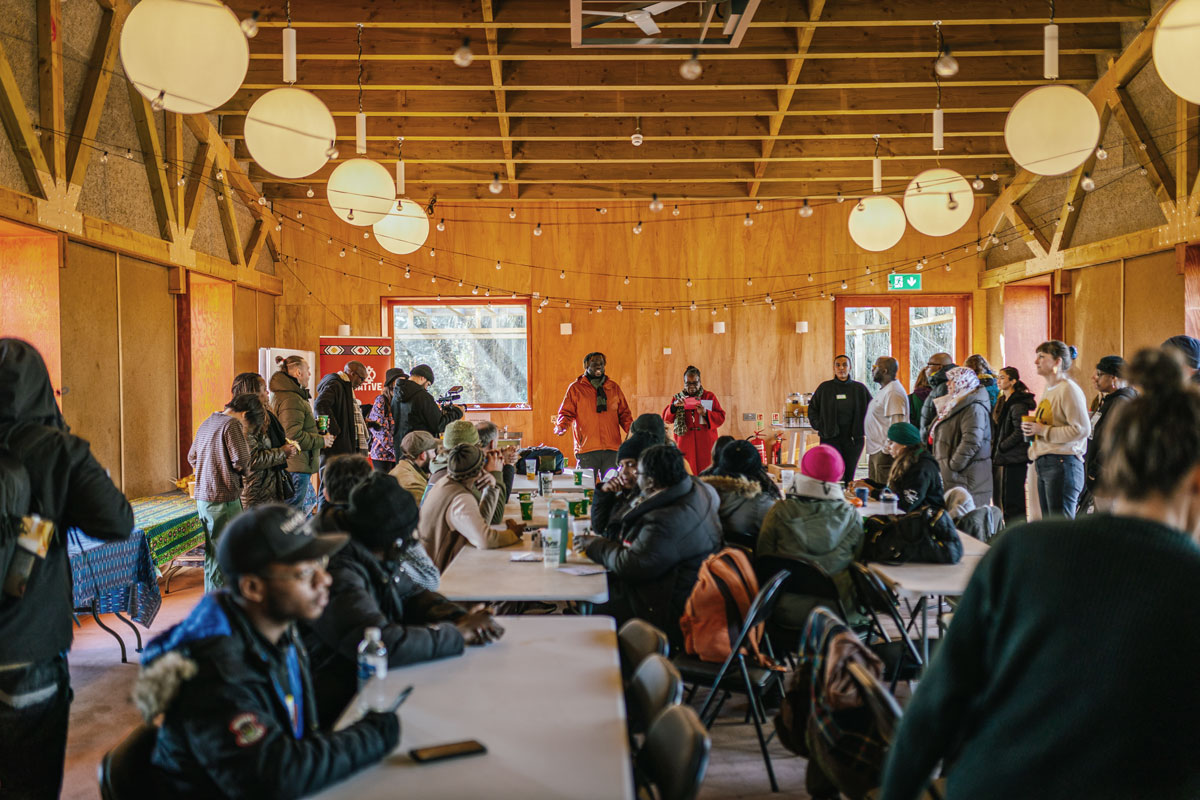
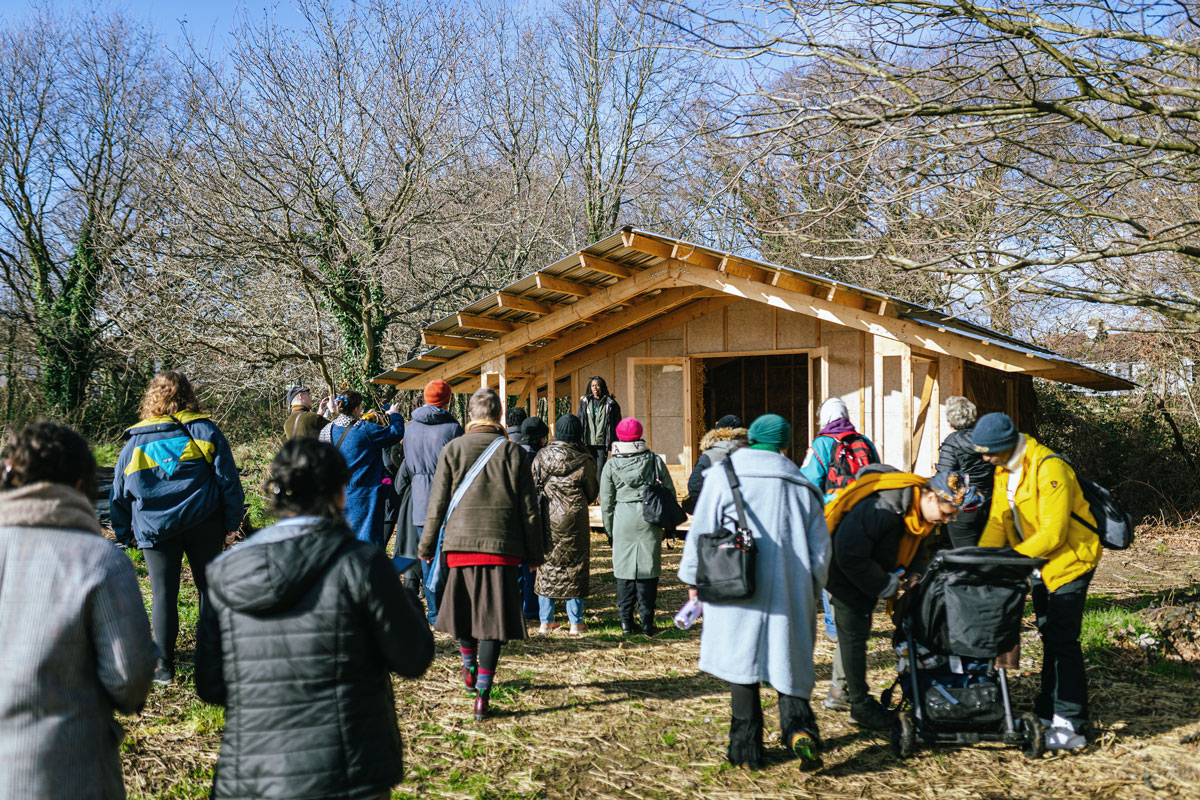
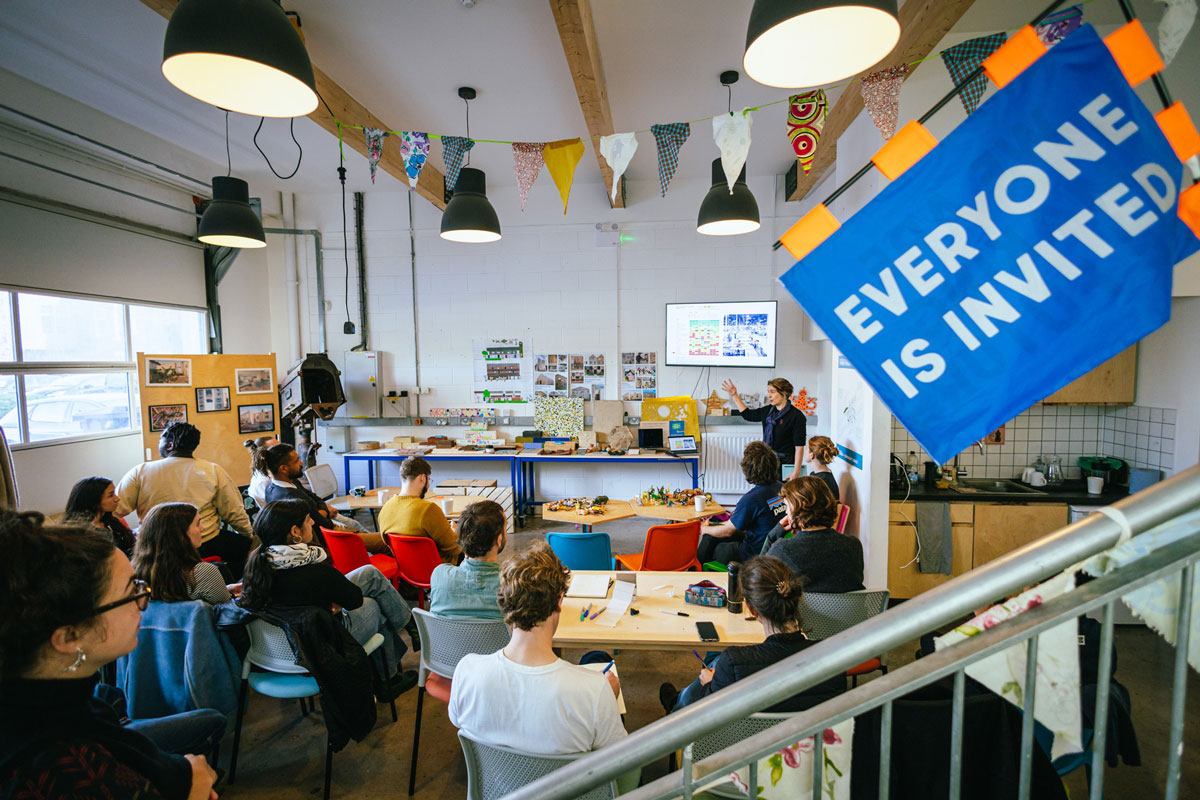
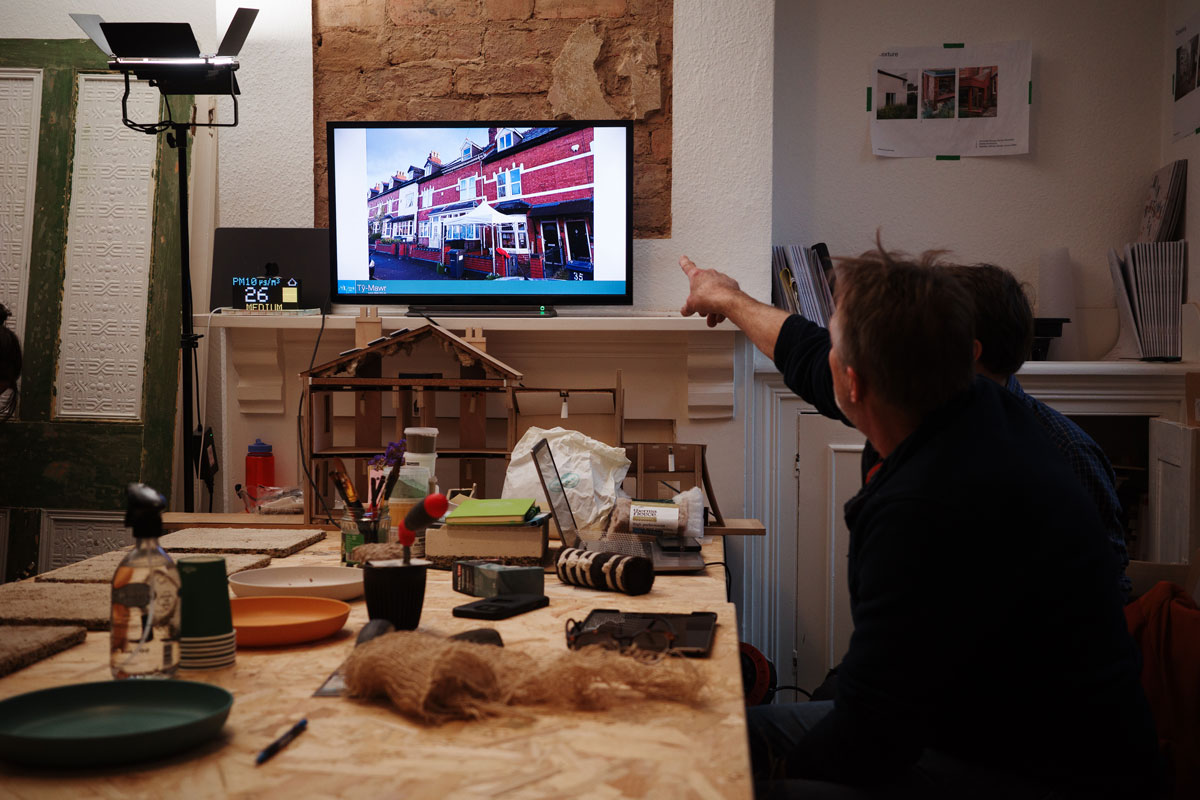
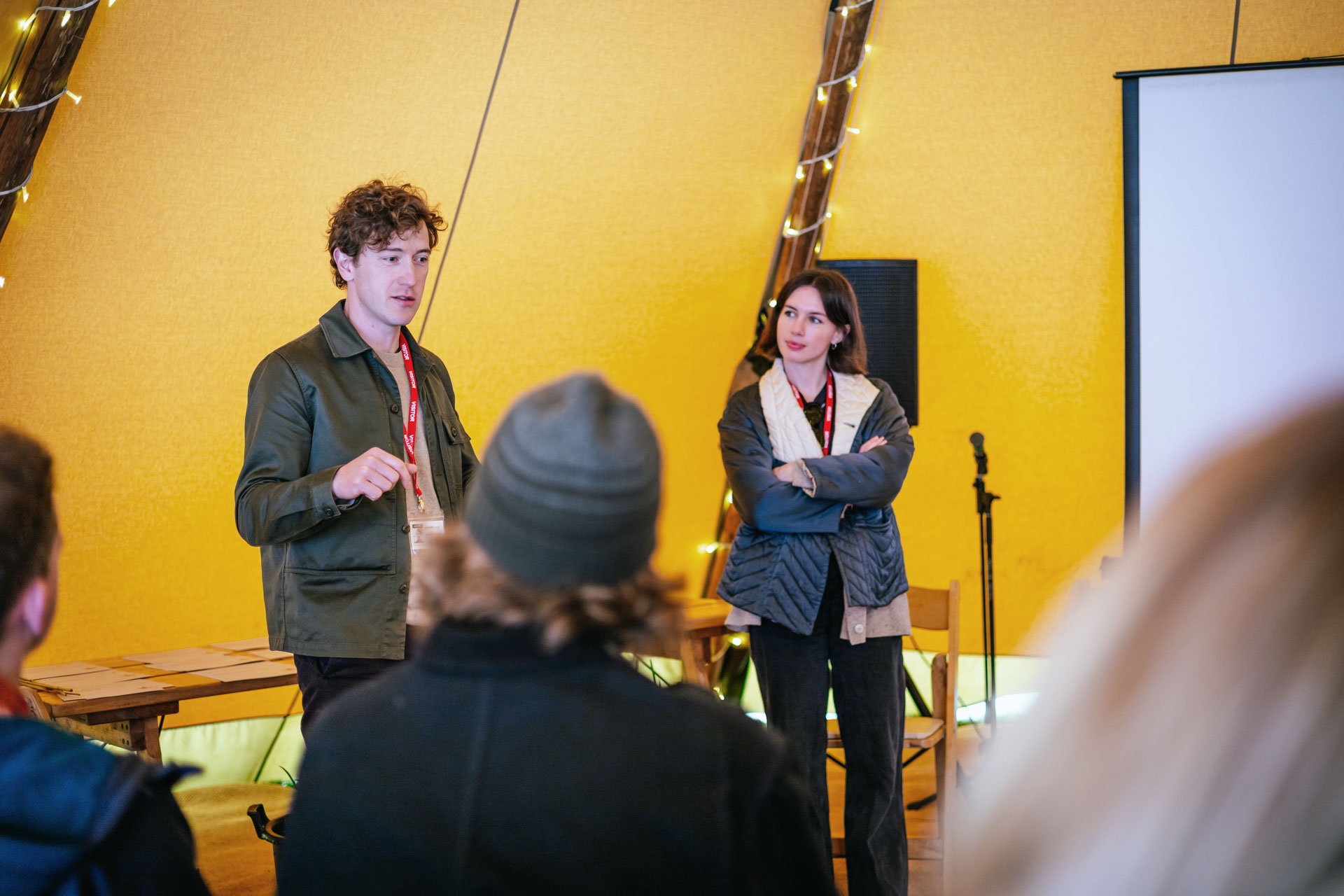
Rebuilders: Routes to regenerative construction is a workshop series designed to highlight the versatility of working with natural materials in modern construction settings. Across four hands-on demonstrations, participants will discover just how practical and accessible these skills are for application in mainstream building environments.
Straw Prefabrication:
working with low-carbon modular systems
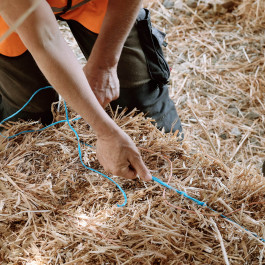
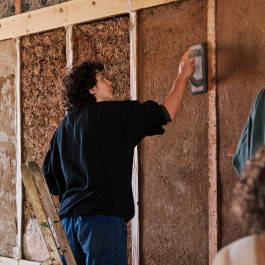
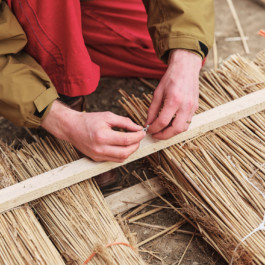
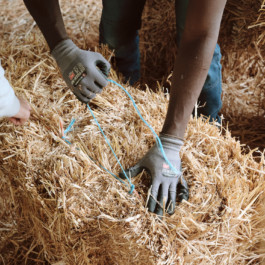
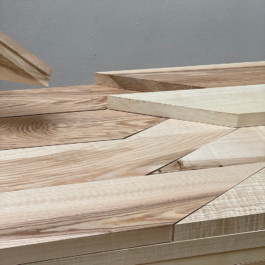
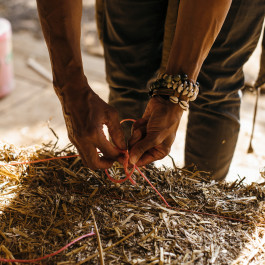
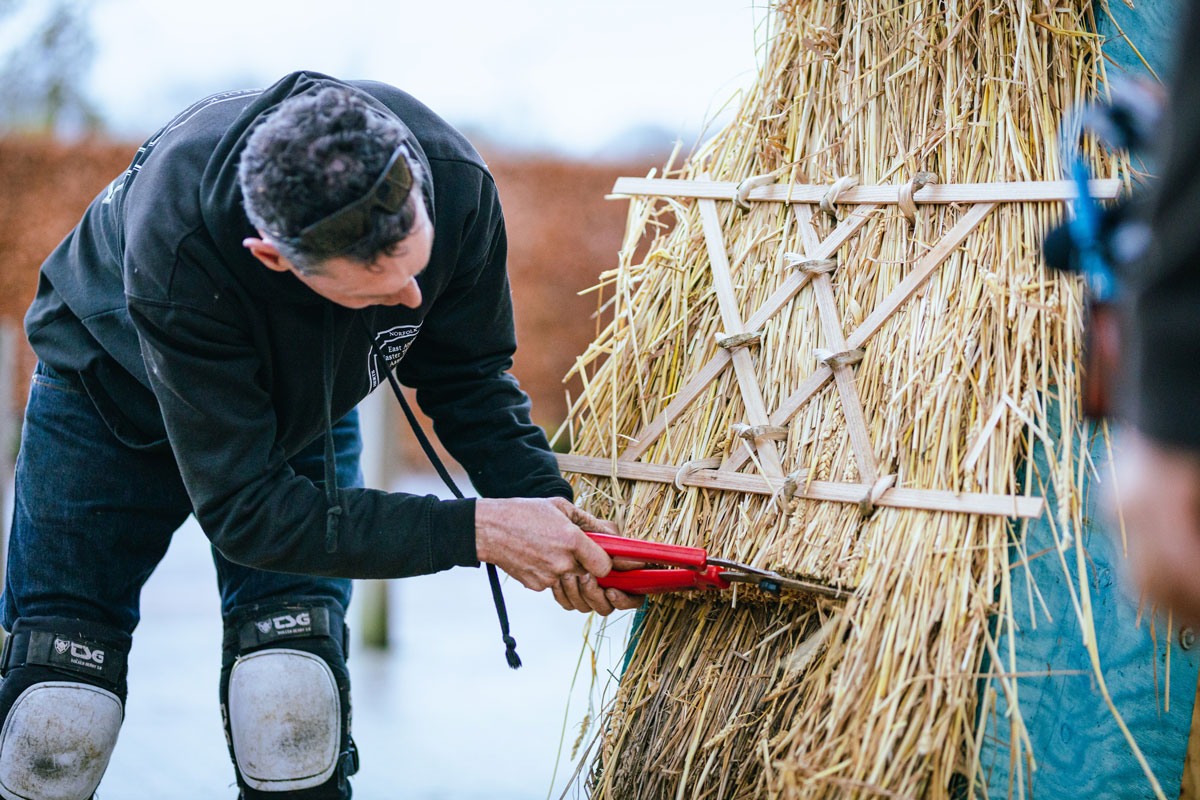
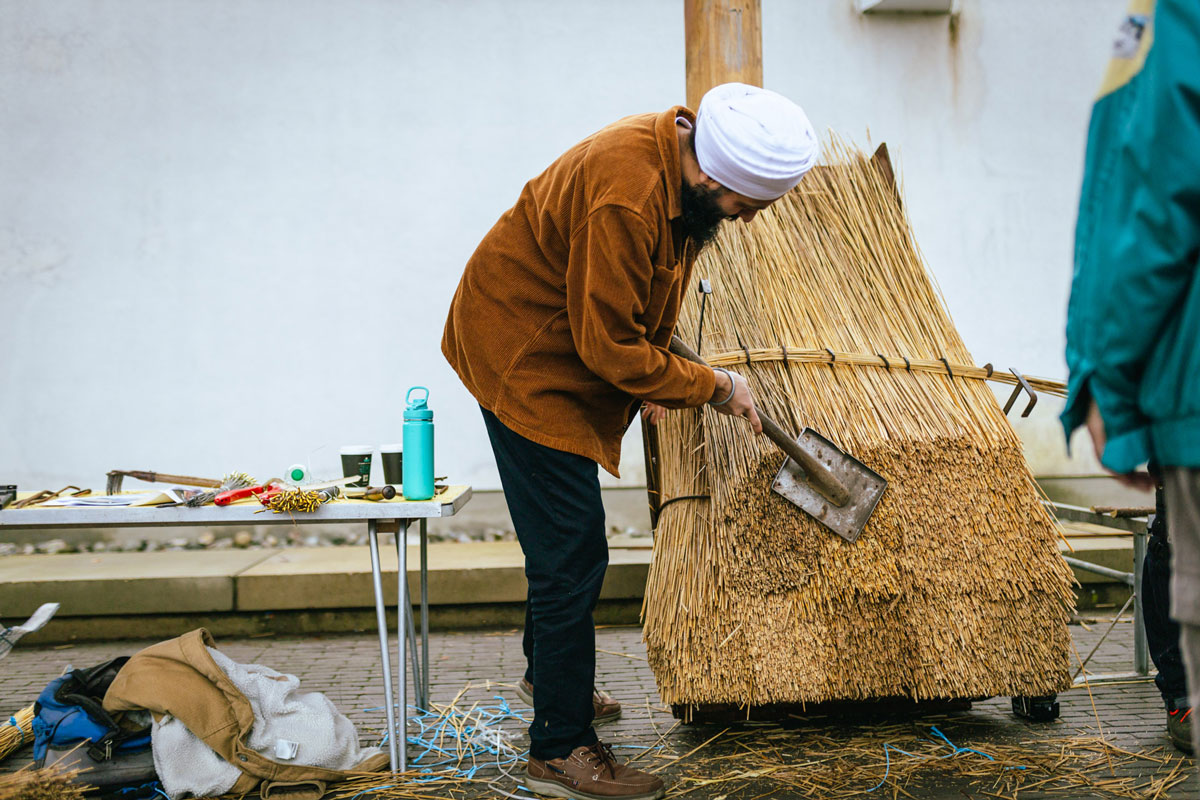
Straw, though often overlooked in the construction industry, holds substantial potential not only in its practical applications but also in its value within the supply chain and economy. Straw bales can be utilised for both load-bearing structures and as highly effective insulation in new builds as well as retrofits. When integrated into structural panels much like other modular and prefabricated systems this regenerative building material can be used to build precise and durable constructions.
Insulation: natural alternatives
to insulating externally and internally
Natural insulation materials offer numerous environmental, health, and performance advantages. Sourced from renewably from plants, minerals, and even animals they provide sustainable alternatives to synthetic options. These natural insulations can be applied similarly to conventional insulation materials. This workshop will focus on woodfibre, demonstrating its versatility, ease of use and what the application process entails.
Hemp:
introduction to hempcrete insulation
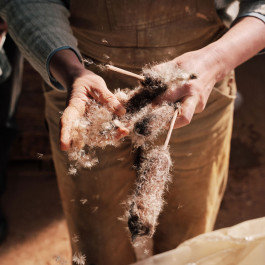
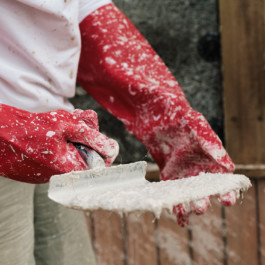
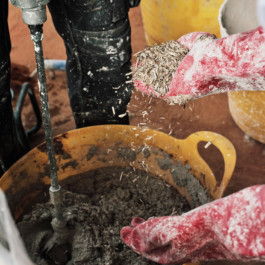
Hemp is gaining recognition as a sustainable building material, offering a wide array of environmental, structural, and economic benefits. Its diverse range of formats and applications - such as cast hempcrete, hempcrete blocks, hemp fibre cladding panels, and hemp insulation batts - mean it is a highly adaptable material. It can also be integrated into contemporary construction systems and existing trades. Hemp is an increasingly viable alternative in creating eco-friendly, energy-efficient structures.
Clay Blockwork: low-carbon alternatives
for load bearing walls, infill and partitions
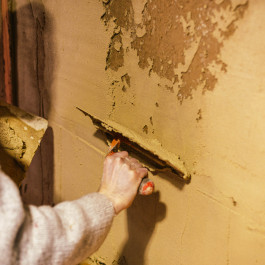
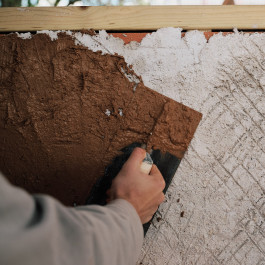
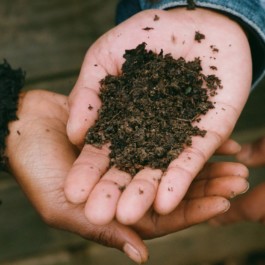
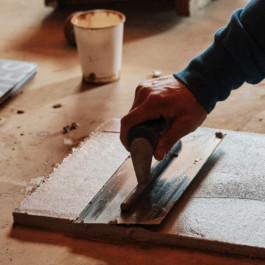
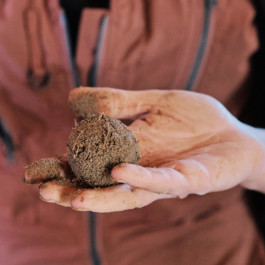
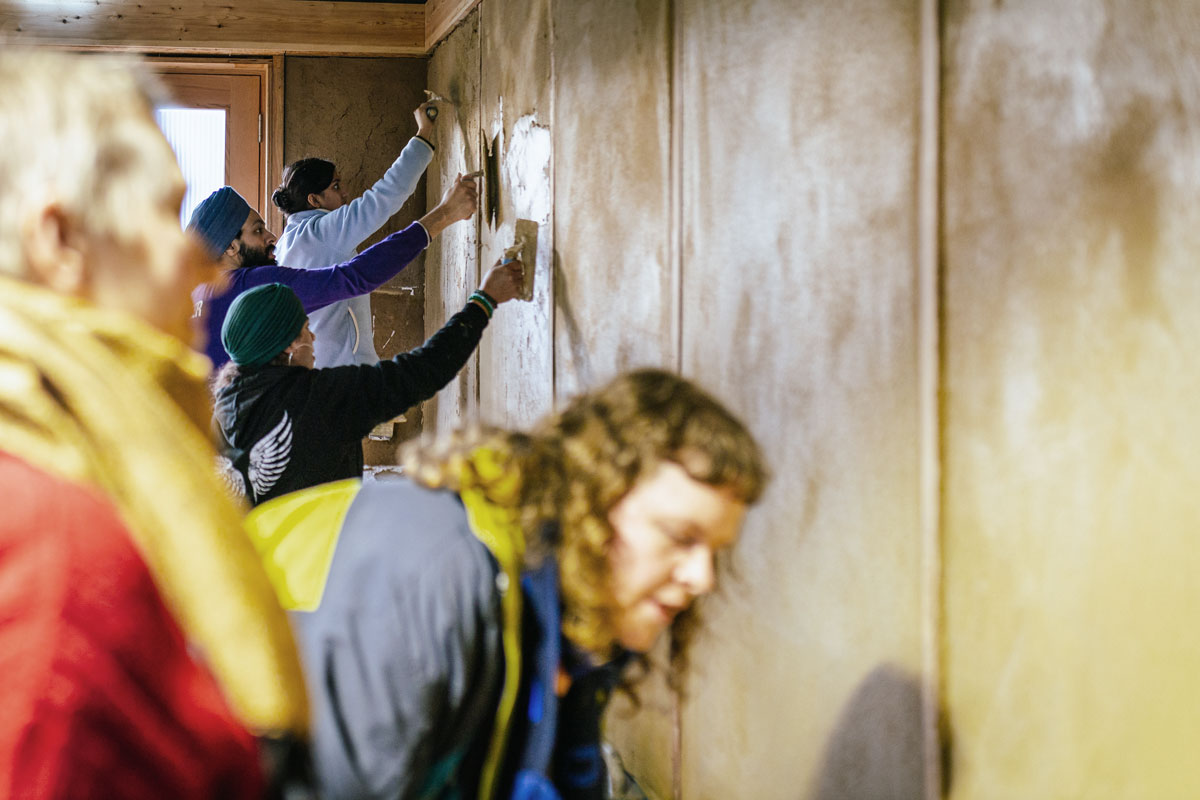
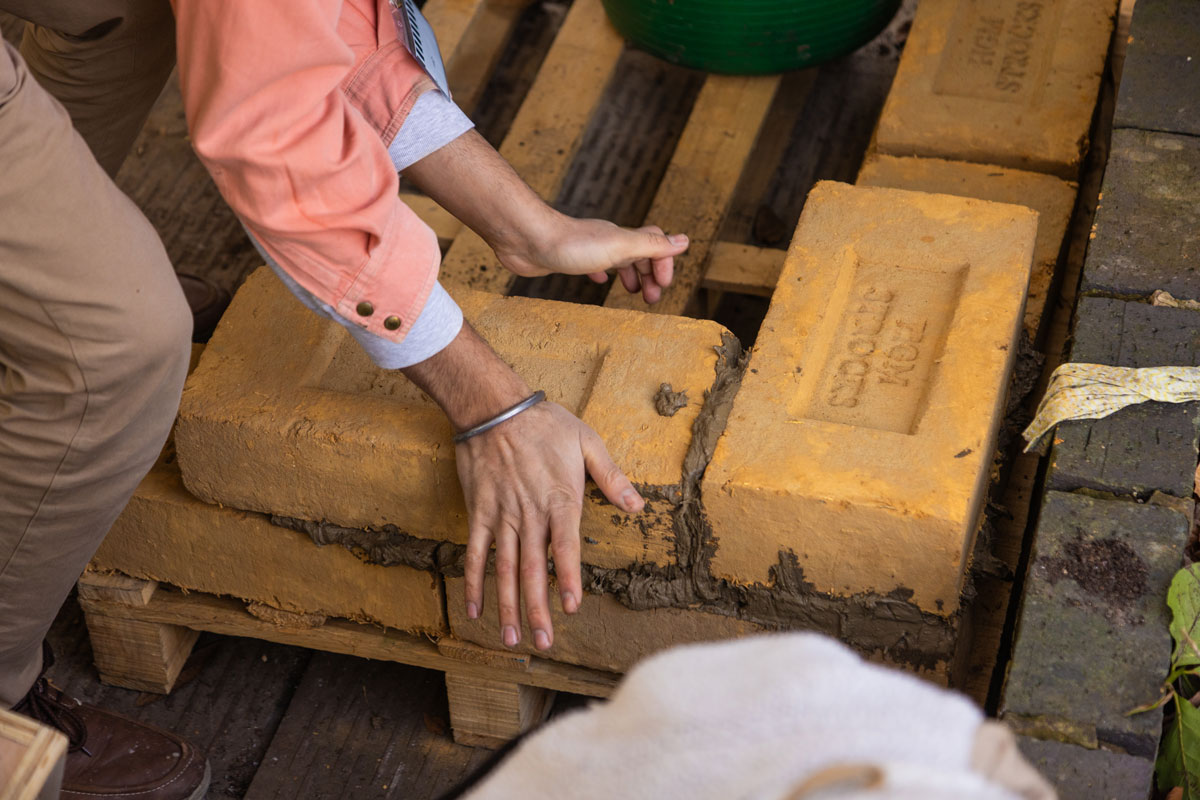
Clay has versatile uses across various building elements and can be employed in ways that easily substitute more energy-intensive materials. For example, unfired bricks, poured earth and clay plaster are worked and applied similarly to bricks, concrete and gypsum plaster, providing sustainable options for contemporary construction. Clay can even be sourced on site from excavation works, meaning no transport or materials costs. This age-old traditional material has never been more relevant and even helps regulate moisture and reduce mould, creating healthier buildings.
While only a minimal adjustment in terms of knowledge and skills is required, the radical impact in carbon emissions is substantial. We hope this program will inspire participants to incorporate less carbon-intensive materials in their future projects.

▦ DATE: 8th- 9th October 2024, 19th November 2024, & 18th February 2025
▥ LOCATION: Makespace Oxford
▨ WITH: Francesca Leibowitz & Barbara Jones

Rebuilders: Routes to regenerative construction is a workshop series designed to highlight the versatility of working with natural materials in modern construction settings. Across four hands-on demonstrations, participants will discover just how practical and accessible these skills are for application in mainstream building environments.
Straw Prefabrication:
working with low-carbon modular systems
Straw, though often overlooked in the construction industry, holds substantial potential not only in its practical applications but also in its value within the supply chain and economy. Straw bales can be utilised for both load-bearing structures and as highly effective insulation in new builds as well as retrofits. When integrated into structural panels much like other modular and prefabricated systems this regenerative building material can be used to build precise and durable constructions.
Insulation: natural alternatives
to insulating externally and internally
Natural insulation materials offer numerous environmental, health, and performance advantages. Sourced from renewably from plants, minerals, and even animals they provide sustainable alternatives to synthetic options. These natural insulations can be applied similarly to conventional insulation materials. This workshop will focus on woodfibre, demonstrating its versatility, ease of use and what the application process entails.
Hemp:
introduction to hempcrete insulation
Hemp is gaining recognition as a sustainable building material, offering a wide array of environmental, structural, and economic benefits. Its diverse range of formats and applications - such as cast hempcrete, hempcrete blocks, hemp fibre cladding panels, and hemp insulation batts - mean it is a highly adaptable material. It can also be integrated into contemporary construction systems and existing trades. Hemp is an increasingly viable alternative in creating eco-friendly, energy-efficient structures.
Clay Blockwork: low-carbon alternatives
for load bearing walls, infill and partitions
Clay has versatile uses across various building elements and can be employed in ways that easily substitute more energy-intensive materials. For example, unfired bricks, poured earth and clay plaster are worked and applied similarly to bricks, concrete and gypsum plaster, providing sustainable options for contemporary construction. Clay can even be sourced on site from excavation works, meaning no transport or materials costs. This age-old traditional material has never been more relevant and even helps regulate moisture and reduce mould, creating healthier buildings.
While only a minimal adjustment in terms of knowledge and skills is required, the radical impact in carbon emissions is substantial. We hope this program will inspire participants to incorporate less carbon-intensive materials in their future projects.