
The Sugar Summit comes to Tipping Point East on Thursday 12 and Friday 13 November. Join us for two days of making and discussion about the colonial history and material futures of sugar and ‘bagasse’ – the fibrous pulp left after the sugarcane has been crushed for its juice.
Tipping Point East is located in the Royal Docks, where, for centuries, the ships carrying raw sugar extracted by enslaved and eventually exploited workers in the Caribbean docked to deliver it to British refineries. This colonial pattern lives on: a few minutes walk away from us, the Tate & Lyle sugar refinery still receives cargo ships, now from plantations around the world. They dock in the same place, bringing raw sugar to be processed into the familiar white crystals found in UK supermarkets.
Historically, the bagasse didn’t make the journey across. The empire’s order of value was inscribed in its geography. Raw sugar and the process of refining it were reserved for Britain, while both the bagasse and those who crushed it remained in the colonies. Even the name ‘bagasse’ is associated with waste: it comes via French from the Spanish ‘bagazo’, the refuse left after crushing grapes or olives.
Today, this pattern has changed: sugarcane juice vendors selling to diasporic communities are importing the full cane and extracting the juice in mobile presses, generating tonnes of bagasse in the UK. Although sugarcane doesn’t grow anywhere near London, bagasse is being produced on our doorstep. By building with it, we are questioning what it means to use ‘local’ and ‘bioregional’ materials in a global world already built by sugar.
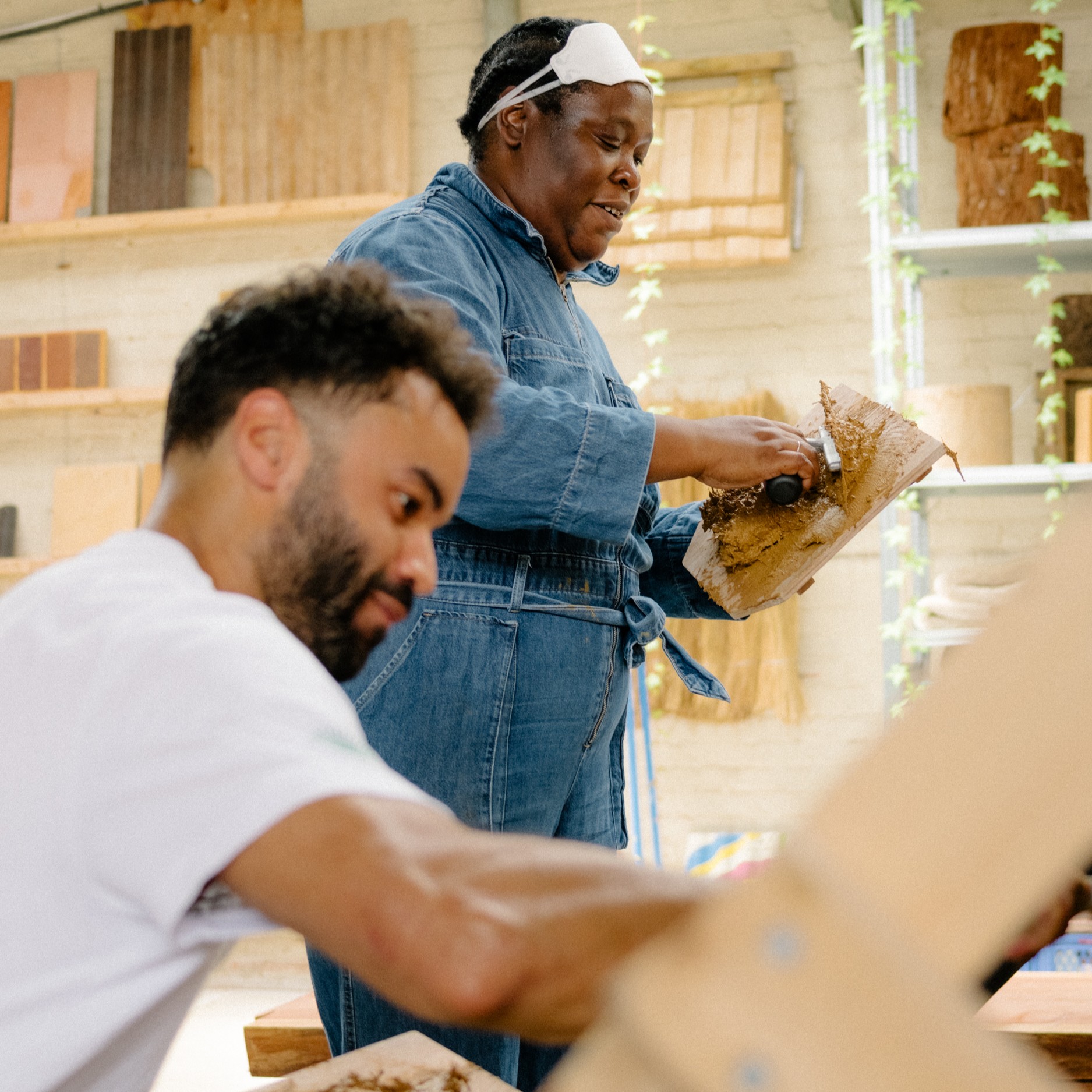
Over two days of workshops and talks, we will explore sugar from London, connecting global colonial histories to material practices in the city. A key focus will be on the potential of bagasse in construction through Isabella Ramsay’s pioneering work in developing Canecrete (@canecrete). Throughout, we will reflect on the often overlooked consequences of sugar production on Caribbean communities, lands, political systems, and bodies. We ask: what material futures of sugar are emerging across the Caribbean and its diasporas?
This day is supported by @rearc.institute
Workshops will range between hands-on construction, fabrication and discursive formats, facilitated by:
Tatyana Nieves Brown @tatyeverywhere
Isabella Ramsay @canecrete
Material Cultures @material_cultures
Tallawah @wovenradical
RESOLVE Collective @resolvecollective
Pamela Shor @knowledgeallotmentnetwork
Sign up here
ADDITIONAL INFORMATION
- THE SITE: Tipping Point East (TPE) is the largest climate futures centre in the UK, established by Yes Make, Material Cultures and RESOLVE Collective. Link here for more information about the site.
- ACCESS: All of the workshops will be held in the TPE Site. Some of the workshops will be held on rough or bumpy terrain. Reach out to us if you would like more information and photos in order to assess together whether the site is accessible. There are two toilets on the site which have a small, raised lip at the entrance. Currently neither have handrails but we can accommodate for wheelchairs users.
- TRANSPORTATION: Material Cultures is rooted in a low-carbon approach so please travel to the workshop by public or shared transport if you can. TPE is a 5-minute walk from the Pontoon Dock DLR station.