▣ TYPE: Community / Demonstrator
▨ CLIENT: re:arc Institute
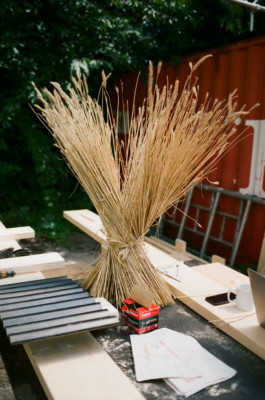
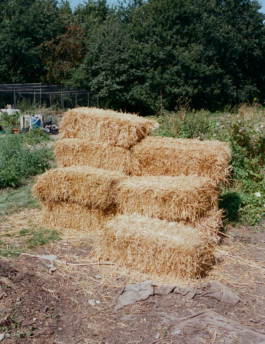
▤ KEY MATERIALS: Timber / Clay / Wheat / Reed
▦ METHODOLOGY: Participatory Workshops / Material Testing / Stakeholder Engagement
▥ COLLABORATORS: Black Rootz / Wolves Lane Consortium / Sahra Hersi / Sandra Salazar D’eca / Andi Amirshah / Will Stanwix / Mark Harrington / Price & Myers
Harvest House is part of Growing Place, a three-year research and design project funded by re:arc’s Practice Based Funding programme. Led by Material Cultures in collaboration with Black Rootz and The Wolves Lane Centre, the project explores how agricultural infrastructure in urban and rural contexts can be designed and built through agroecological principles, local material systems, and participatory making.
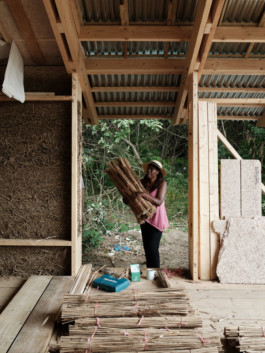


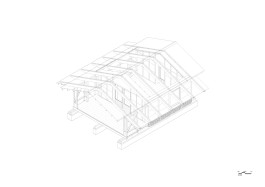
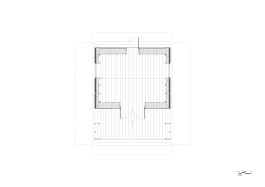
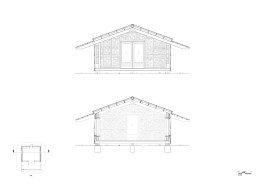
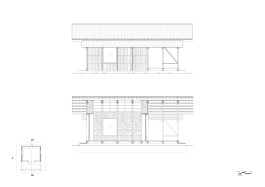
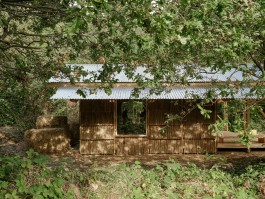
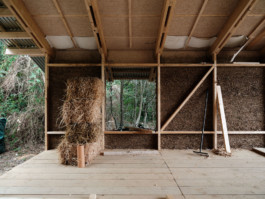
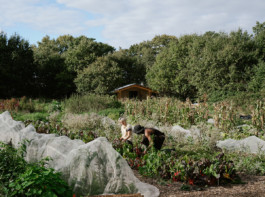
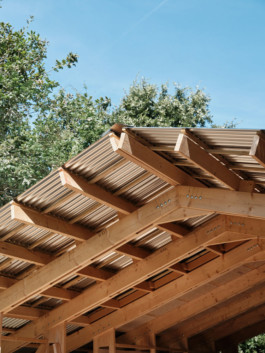
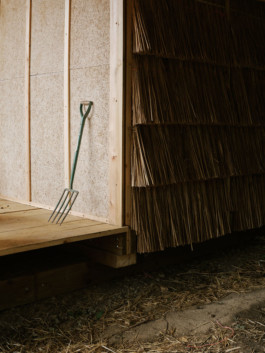
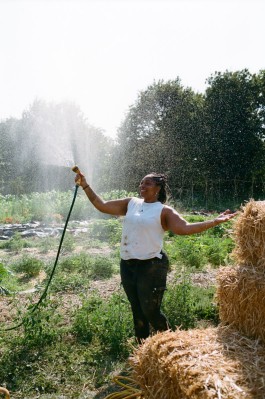
Developed at Pasteur Gardens, a seven-acre urban farm in Enfield, North London, Harvest House responds to the spatial needs of community-led growing sites. It is a flexible, replicable building typology constructed using regionally available materials, basic tools, and minimal specialist skills. Compliant with the UK Caravan Act, it can function as either an agricultural structure or a dwelling, allowing for mobility, adaptability, and simplified planning.

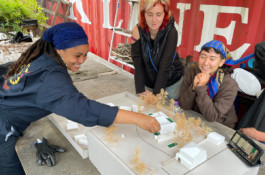
The co-design workshops were held on site and were integral to gathering insight and ideas that established the design brief, with a broader view towards how these concepts could be replicated and adapted on other similar sites. The result is Harvest House, a typological building that can be constructed from regionally available materials, with simple tools and minimal skill.

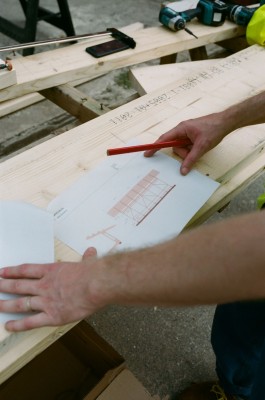
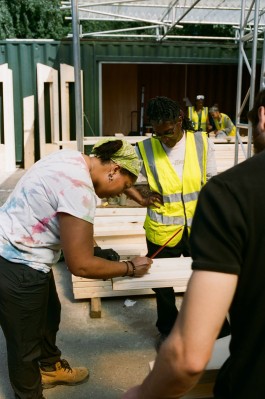
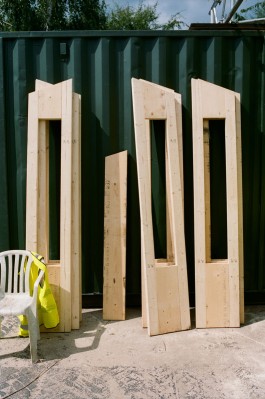
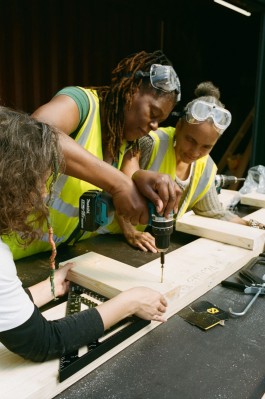
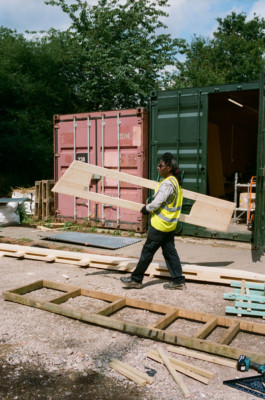
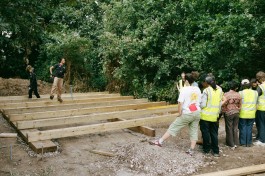
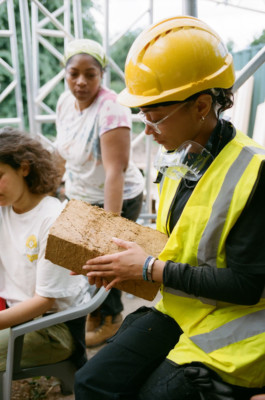
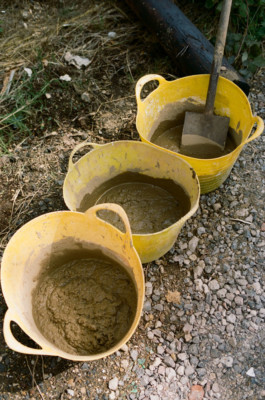
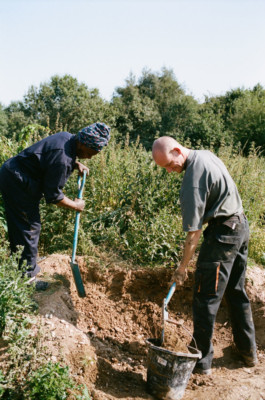
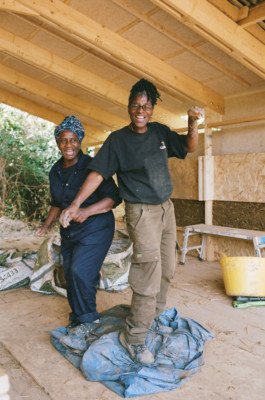
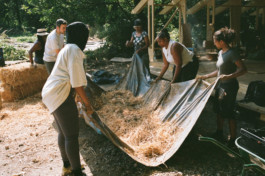
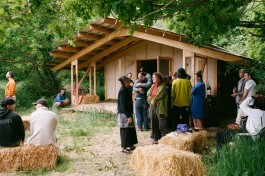
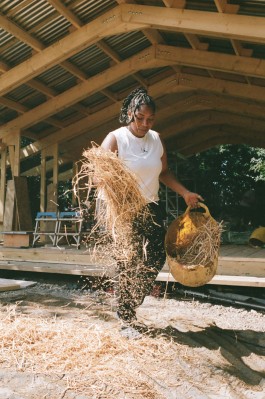
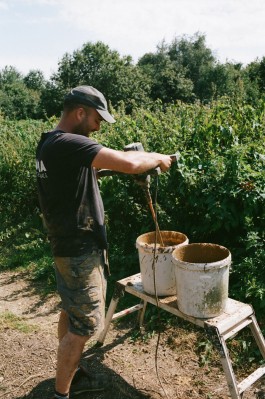
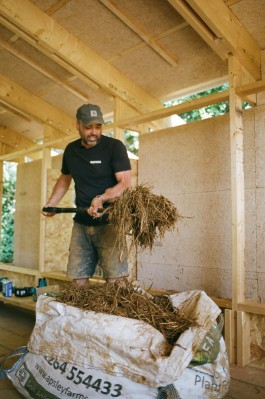
The building was co-constructed through on-site workshops, foregrounding hands-on learning, shared knowledge, and collective authorship. These construction workshops were attended by a broad mix of participants including those with backgrounds in growing and design. They happened over 5 weeks with each week having a particular material focus.

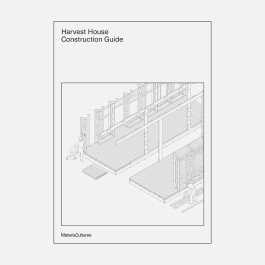
The project offers a regenerative model for construction, with knowledge intended to be openly shared and adapted across other growing and community contexts through a publicly availble set of how-to guides and films documenting the design and build process.


Photography: Elena Cremona, Michael Sabuni, Noemi Reijnen, Henry Woide
Videography: Connor Newsom
BUILD: Alicia Gerhardstein, Alison Romaine, Amelia Sharp, Bea Grant, Becca Outterside, Bente Koelink, Beverley Berrick, David Quartey, Eleanor Jolliffe, Ella Augusta McIntosh, Ella Mars, Emma Coates, Esme MacGregor, Eva Jonas, Filip Lipinski, Freya Alexander, Hashem Isa, Hazel Lam, Hilary Ann Witter, Irfan Safdag, Janice Nelson, Jonathan Irawan, Josie Argyle, Joy Oluwapelumi Anuoluwa Akintan, Jubal Green, Judy Ferguson, Julie Beech, Kelly Murray, Lyson Marchessaulr, Nicholas Musembi, Nidhi Nimodia, P. Cleopatra Francis, Phoebe Wells, Polly Wright, Remi Braithwaite, Richard O'Hanlon, Rowan Salim, Sadek Ahmed, Safi Everitt, Saji Abude, Sal Wilson, Sam Stafford, Samantha Devitt, Sofia Bernovska, Sofia Deria, Sofia Karim, Stuti Bansal ,Tom Barber, Tyler Ebanja and Ya You
▣ TYPE: Community / Demonstrator
▨ CLIENT: re:arc Institute
▤ KEY MATERIALS: Timber / Clay / Wheat / Reed
▦ METHODOLOGY: Participatory Workshops / Material Testing / Stakeholder Engagement
▥ COLLABORATORS: Black Rootz / Wolves Lane Consortium / Sahra Hersi / Sandra Salazar D’eca / Andi Amirshah / Will Stanwix / Mark Harrington / Price & Myers

Harvest House is part of Growing Place, a three-year research and design project funded by re:arc’s Practice Based Funding programme. Led by Material Cultures in collaboration with Black Rootz and The Wolves Lane Centre, the project explores how agricultural infrastructure in urban and rural contexts can be designed and built through agroecological principles, local material systems, and participatory making.
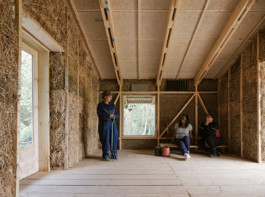
Developed at Pasteur Gardens, a seven-acre urban farm in Enfield, North London, Harvest House responds to the spatial needs of community-led growing sites. It is a flexible, replicable building typology constructed using regionally available materials, basic tools, and minimal specialist skills. Compliant with the UK Caravan Act, it can function as either an agricultural structure or a dwelling, allowing for mobility, adaptability, and simplified planning.

The building was co-constructed through on-site workshops, foregrounding hands-on learning, shared knowledge, and collective authorship. These construction workshops were attended by a broad mix of participants including those with backgrounds in growing and design. They happened over 5 weeks with each week having a particular material focus.


Photography: Elena Cremona, Michael Sabuni, Noemi Reijnen, Henry Woide
Videography: Connor Newsom
E info@materialcultures.org
T 07707592097
E info@materialcultures.org
T 02030626832