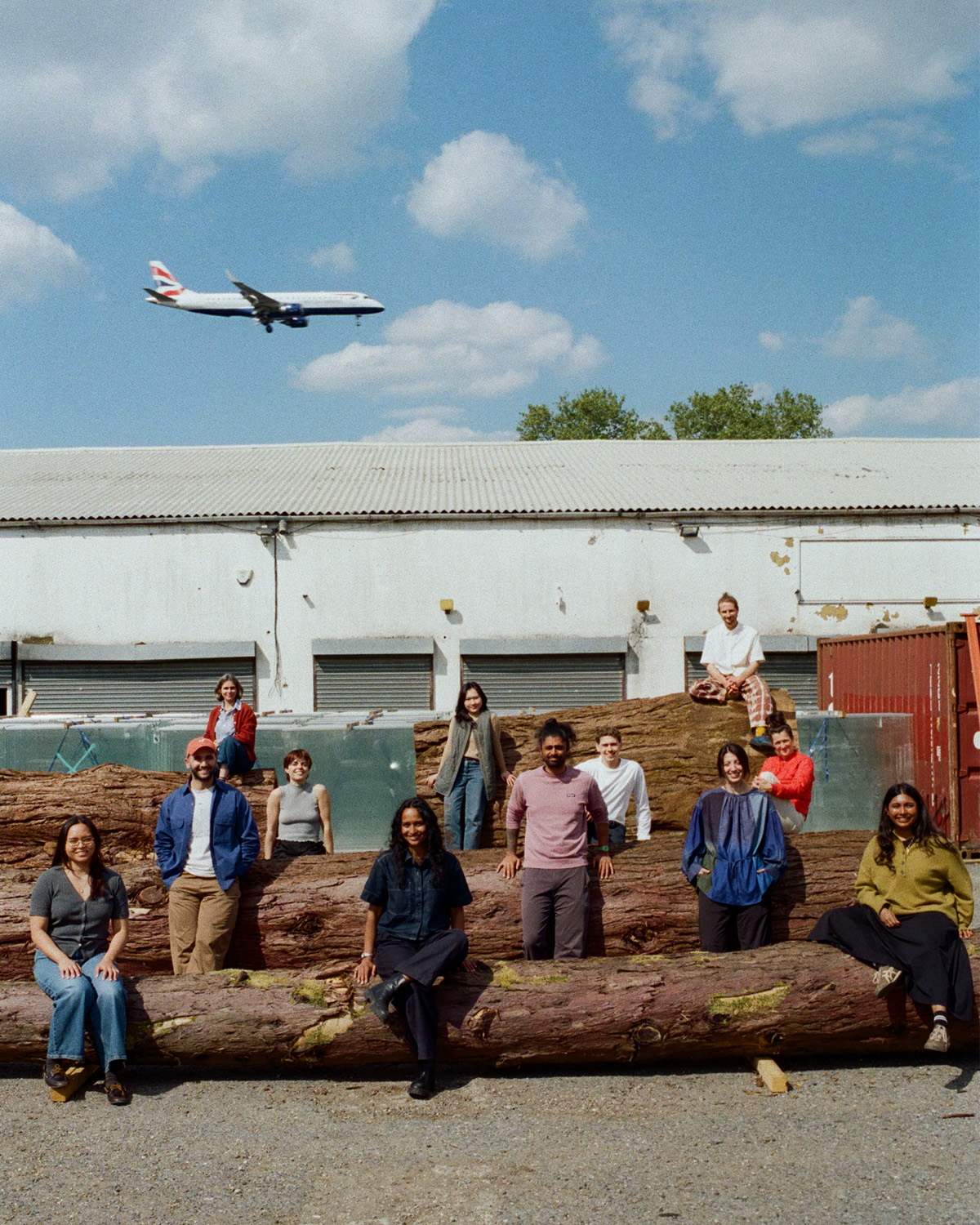
We advocate for the reintegration of architecture and agriculture, understanding buildings as irrevocably linked to landscapes of extraction. Bio-based materials offer an alternative to the globally sourced, carbon-intensive, socially destructive materials commonly used in the construction industry. We challenge the systems, technologies, processes, supply chains, regulations and materials that make up the construction industry with the aim of transforming the way we build.
Our practice works across different scales developing materials and prototypical buildings to look strategically at the adaptation of the landscapes and supply chains from which they emerge. We design buildings working to integrate circular and bio-based materials and minimally processed minerals into efficient construction systems. Alongside this, we carry out strategic research into how these practices can be applied at scale and how they relate to a broader move towards regenerative land management practices. We run our own construction skills programme, MAKE, alongside research and teaching at the Architectural Association, Central Saint Martins in London and the ETH in Zurich.
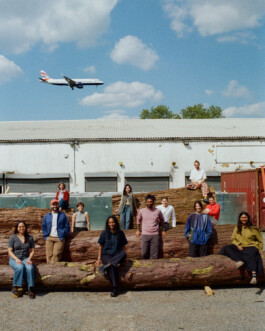

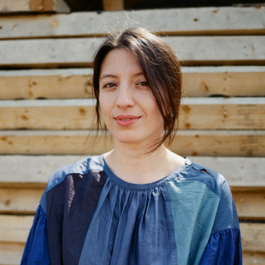
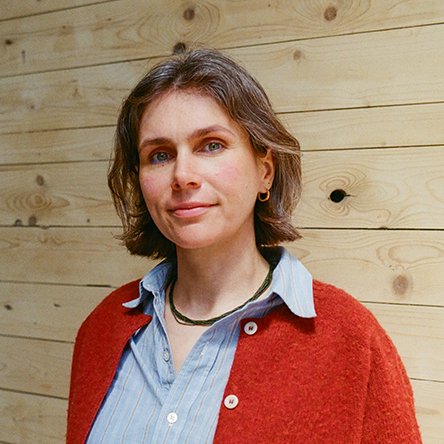
Paloma Gormley (she/her) is a founding Director of Material Cultures. She is an internationally respected architect and researcher who is fast building a reputation for her thought leading work in the field of low embodied carbon design, and leading large scale design projects alongside more experimental hands-on prototypical collaborative builds at Material Cultures. Paloma completed the widely published Flat House, pioneering the use of Hemp in off-site construction. She is currently leading a £15 million, 6000 sqm low carbon housing project in Lewes on the south coast of England, in which Material Cultures is designing a portion of the masterplan alongside consulting on the overall material and fabrication strategy. Paloma also led the transformation of a North London horticultural site, Wolves Lane, completed in June 2025. She oversaw the co-design process, construction detailing and participatory construction strategy of the project, alongside supporting with the raising of £2.3m of capital funds for the project.

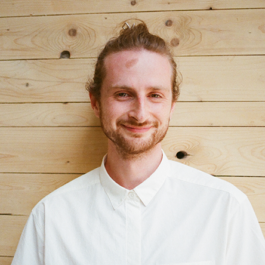
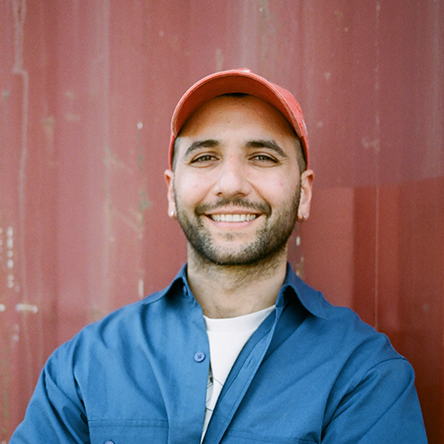
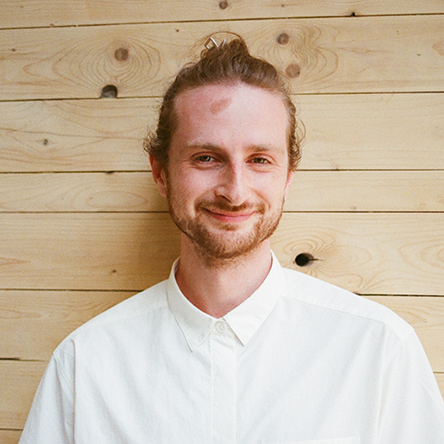
Will Bradley (he/him) is a designer, educator and experienced maker whose practice is grounded in hands-on construction and fabrication. He regularly builds the projects he designs, developing a strong understanding of structure, detailing and material performance through the construction of buildings, art installations, festival stages and self-made garments.

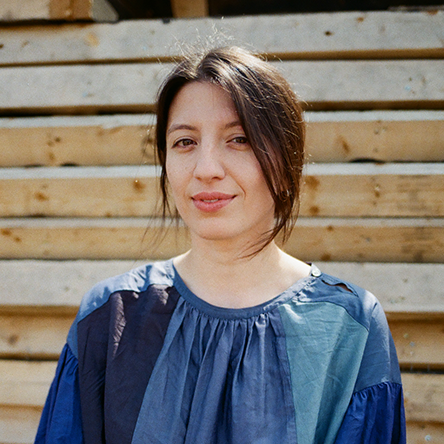
Sara Pereira (they/them) is a writer, researcher, translator and editor whose work spans architectural, ecological, and cultural projects. They are the sole author of the forthcoming book To Live but not to Own: The SAAL Movement for Housing in the Portuguese Revolution 1974-76, due for publication in 2026, and they are part of the editorial board for the Common Treasures collections of essays exploring regenerative land practices, planning strategies and economies in the UK.

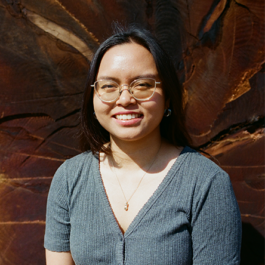
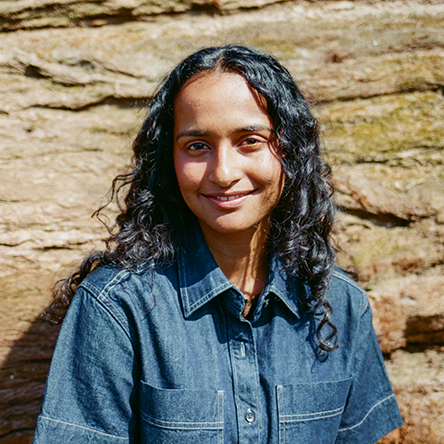
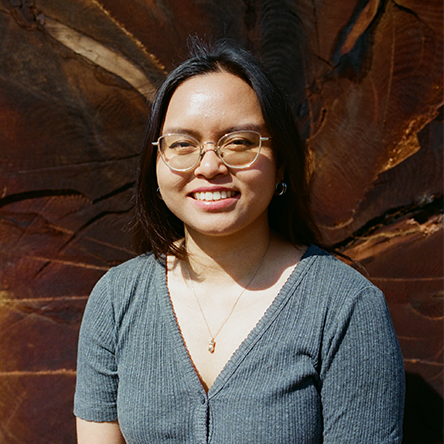
Bo Lee Yau (she/her) is an architectural designer and researcher whose work combines material experimentation, community collaboration, and clear technical guidance to develop accessible regenerative construction methods. At Material Cultures, she has contributed to early-stage feasibility design, spatial strategies, and physical and digital modelling across projects.

Summer Islam (she/her) AADipl (hons) ARB is a Director of Material Cultures. She has extensive experience of leading prominent cultural and community projects from inception to completion as well publishing groundbreaking research on the political ecology of construction materials, with a particular focus on the environmental implications of scaling the use of regenerative materials. This includes the studies Mosaic Landscapes and Wetlands and Construction, which explore the economic and ecological impact of radical regenerative land management practices across the construction industry’s supply chains. Summer has collaborated with LB Newham and Arup on an innovative piece of research exploring the potential for Newham to host London’s first Circular Economy Hub (2022). This proposal is now being realised through a pilot demonstrator due to open in 2026. She is also Director Lead on Material Cultures’ collaboration with CIVIC SQUARE in Birmingham – developing research, design and education frameworks for community led housing retrofit and governance models.

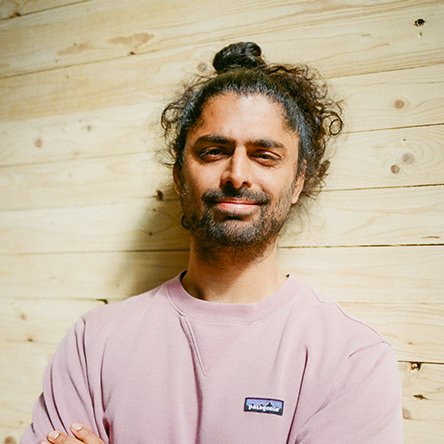
Chai Pandya (he/him) is a finance professional with over thirteen years’ experience and has worked as Finance Manager and Administration Coordinator at Material Cultures since 2023. He is responsible for financial management alongside key operational and administrative functions that support the day to day running of the practice.

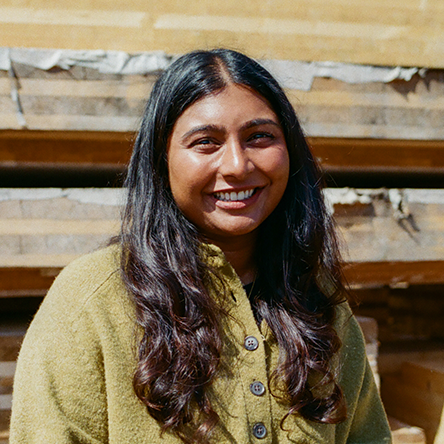
Huma Mahmood (she/her) has led several projects for Material Cultures and has experience across both commercial and community engagement projects exploring the use of biobased materials in retrofit contexts. Recently she has also organised workshops for the ReBuilders programme, educating contractors and builders on integrating biobased materials into home retrofits across the UK.

Serena Faizal (she/her) is a Project Co-ordinator at Material Cultures, contributing to research and design across multiple projects. Her work includes a regenerative supply chain hub in the UK, a pavilion design involving vernacular architectural research in the Gulf region and testing bio-based and regenerative construction techniques, as well as the retrofit of a house in Birmingham serving as a showcase for terrace house retrofit methods.

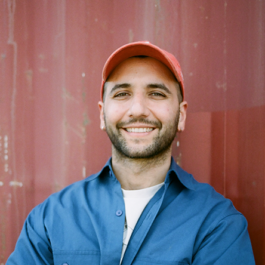
George Massoud (he/him) AA Dipl ARB RIBA is a Director of Material Cultures with extensive experience delivering fast-paced, complex cultural, commercial and mixed use projects. He previously worked at award-winning practice Squire and Partners, where he led multi-million-pound commercial refurbishments, developing extensive expertise in managing large design teams from inception to completion. At Material Cultures, George has been leading master planning work for Swanton Novers Woodland, supporting its transition towards more regenerative land management practices. This includes working closely with the onsite forestry team to establish infrastructure and milling needs for the introduction of fourteen short-term accommodation units within the woodland. Alongside project delivery, George manages several grant-funded research projects across the practice, including a multi-year collaboration with the re:arc institute reimagining access to land for farmers and landworkers. The resulting blueprinting guide is scheduled for publication in 2026.

Daria Moatazed-Keivani (she/her) MA (Cantab) ARB is a researcher and architect with significant experience of stakeholder consultation, supply chain mapping, and construction sequencing in build projects from inception to completion. Daria studied architecture at the University of Cambridge and the Academy of Architecture in Mendrisio, Switzerland.

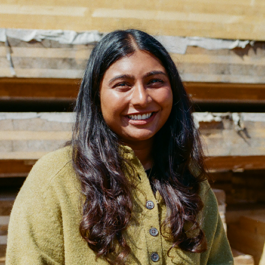
Avni Patel (she/her) works across museum and gallery learning contexts and is committed to equitable, alternative and generous pedagogies. She currently holds the role of Curator of Creative Learning at Mosaic Rooms, where she works with young people in formal and informal education settings, alongside supporting organisational infrastructure at Material Cultures as Governance Lead.

Giacomo Oldfield (he/him) is an Architectural Assistant at Material Cultures. He graduated with a BSc (Hons) in Architecture from the University of Bath, gaining professional experience in the UK and internationally, including at Foster + Partners and Atelier PRO in the Netherlands before joining the practice in 2025. His work spans residential projects, public-sector schemes, large-scale masterplans, and infrastructure frameworks.
Argent
Arup
The Architectural Association
The Bartlett School of Architecture, UCL
Bauhaus Earth
Building Centre
Central Saint Martins, UAL
Charleston House
CIVIC SQUARE
Create London
The Design Museum
Evolving Forests
Fishtank
Forestry England
Grizedale Arts
HG Matthews
Hong Kong Design Institute
Human Nature
International Architecture Biennale Rotterdam
London Metropolitan University
The London School of Architecture
Naked House
Newham London Borough Council
re:arc Institute
Stiftung Sitterwerk
SOM Foundation
Timisoara Architecture Biennial
V&A Museum
York & North Yorkshire Local Enterprise Partnership
Woods into Management Fund
Wolves Lane Consortium
Selected Press
‘Bark is the original dampproof membrane!’ Meet the radical designers who let nothing go to waste
Oliver Wainwright
2025, The Guardian
Build Local!
Ellen Peirson
2025, The Architect's Newspaper
Material Cultures: the radical architects rethinking how – and what – we build
Mary Richardson
2025, Building Design
Material Cultures on transforming woodland waste into sustainable sheet materials
Derin Fadina
2025, The RIBA Journal
Material Cultures
Reuben J Brown
2024, The Architectural Review
Behind the scenes with a trio of architects pioneering sustainable materials
Malaika Byng
2024, House and Garden
Getting to the Root: Prototypes constructed using plant building materials
Lucia Gratz
2024, Werk, Bauen + Wohnen
In Search of Sustainable Materials, Architects are Turning to an Unusual Source: Hemp
Francesca Perry
2023, BBC
Selected Talks
International Conference on Bioregional Architecture and Design Practice
Architecture on Stage: Material Cultures
Architecture Foundation with the Barbican
Material Cultures: Material Transformations
École D'architecture De La Ville & Des Territoires Paris-Est
2024, Paris
Symposium: On Tolerance and Transformation
HKU Department of Architecture

Selected Writing
2023, The Architectural Review
Material Cultures with Jess Gough
Material Cultures with Amica Dall
2022, Mack Books
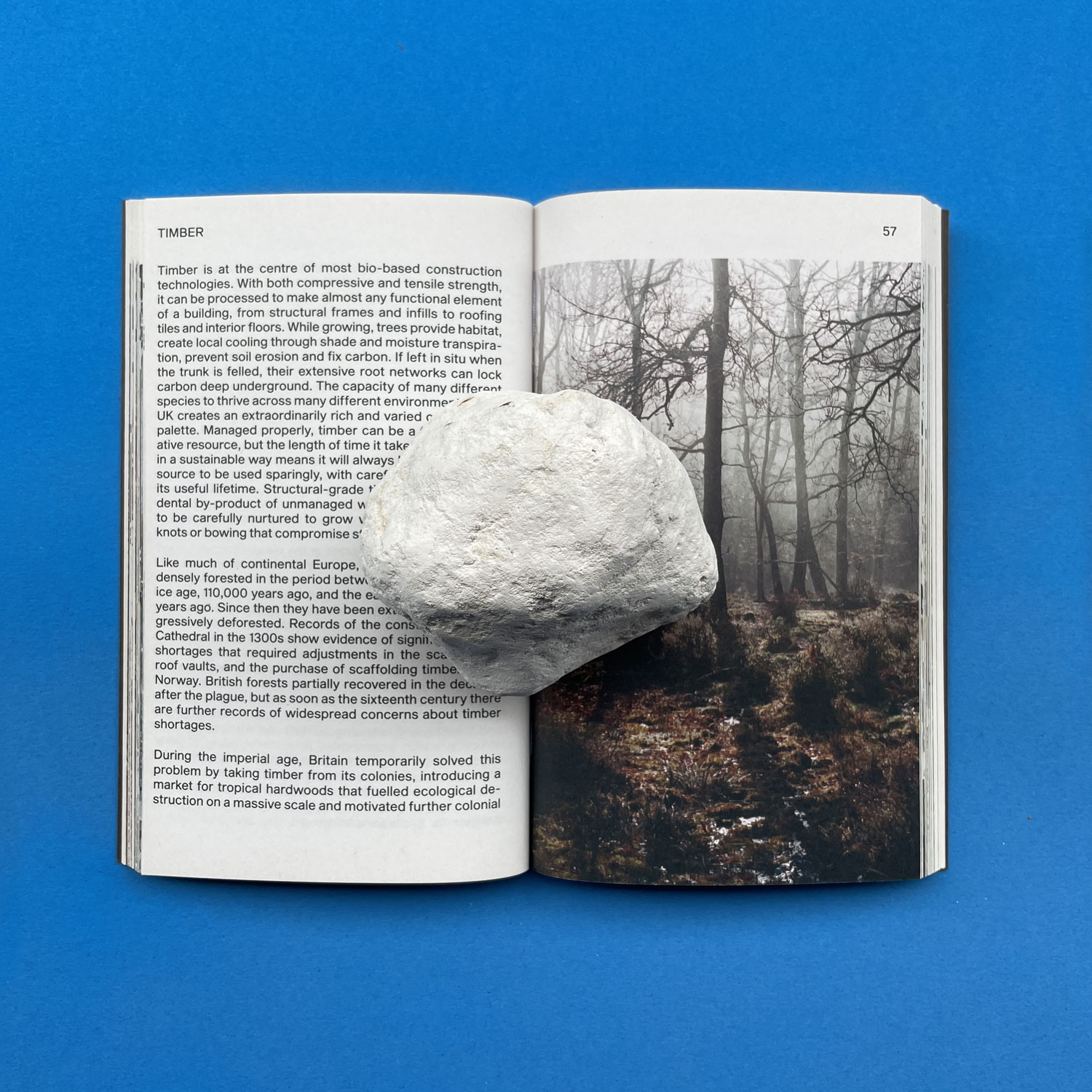
Selected Books
Constructive Disobedience: An Experimental Methodology in Architecture
Ed. Matthias Ballestrem, Katharina Benjamin, Helga Blocksdorf
2025, Birkhauser
Manual of Biogenic House Sections
Ed. Paul Lewis, Marc Tsurumaki, David J. Lewis
2022, ORO Editions
We believe that the work of testing and practising the possibilities of socio-ecological justice within architecture begins internally. The harmful practices embedded in construction's supply chains repeat themselves inside the studio. Extractive land management and material streams find their echo in overwork culture, top-down management and opaque financial structures.
With support from peers and collaborators, we have been reviewing our internal processes to reflect the values we claim and to align better with our mission, as well as the demands of the Section of Architectural Workers (SAW).
● Annual Leave Policy_Rev A_2024.pdf
● Attendance Policy_Rev A_2024.pdf
● Holding Accessible Learning Spaces Policy_Rev A_2025.pdf
● New Parents and Family Leave Policy_Rev A_2025.pdf
● Project Evaluation & Selection Policy_Rev A_2024.pdf
● Quality Management System Policy 2026_Rev A
● Reserves Policy_Rev A_2024.pdf
● Safeguarding Policy_Rev A_2025
● Salary Framework & Policy_Rev A_2026.pdf
● Sick Leave policy_Rev A_2025.pdf
● Staff Offboarding Policy Checklist_Rev A_2024.pdf
● Staff onboarding policy_Rev A_2025.pdf
● Staff Review Policy_Rev A_2024.pdf
We advocate for the reintegration of architecture and agriculture, understanding buildings as irrevocably linked to landscapes of extraction. Bio-based materials offer an alternative to the globally sourced, carbon-intensive, socially destructive materials commonly used in the construction industry. We challenge the systems, technologies, processes, supply chains, regulations and materials that make up the construction industry with the aim of transforming the way we build.
Our practice works across different scales developing materials and prototypical buildings to look strategically at the adaptation of the landscapes and supply chains from which they emerge. We design buildings working to integrate circular and bio-based materials and minimally processed minerals into efficient construction systems. Alongside this, we carry out strategic research into how these practices can be applied at scale and how they relate to a broader move towards regenerative land management practices. We run our own construction skills programme, MAKE, alongside research and teaching at the Architectural Association, Central Saint Martins in London and the ETH in Zurich.


Paloma Gormley (she/her) is a founding Director of Material Cultures. She is an internationally respected architect and researcher who is fast building a reputation for her thought leading work in the field of low embodied carbon design, and leading large scale design projects alongside more experimental hands-on prototypical collaborative builds at Material Cultures. Paloma completed the widely published Flat House, pioneering the use of Hemp in off-site construction. She is currently leading a £15 million, 6000 sqm low carbon housing project in Lewes on the south coast of England, in which Material Cultures is designing a portion of the masterplan alongside consulting on the overall material and fabrication strategy. Paloma also led the transformation of a North London horticultural site, Wolves Lane, completed in June 2025. She oversaw the co-design process, construction detailing and participatory construction strategy of the project, alongside supporting with the raising of £2.3m of capital funds for the project.

Will Bradley (he/him) is a designer, educator and experienced maker whose practice is grounded in hands-on construction and fabrication. He regularly builds the projects he designs, developing a strong understanding of structure, detailing and material performance through the construction of buildings, art installations, festival stages and self-made garments.

Sara Pereira (they/them) is a writer, researcher, translator and editor whose work spans architectural, ecological, and cultural projects. They are the sole author of the forthcoming book To Live but not to Own: The SAAL Movement for Housing in the Portuguese Revolution 1974-76, due for publication in 2026, and they are part of the editorial board for the Common Treasures collections of essays exploring regenerative land practices, planning strategies and economies in the UK.

Bo Lee Yau (she/her) is an architectural designer and researcher whose work combines material experimentation, community collaboration, and clear technical guidance to develop accessible regenerative construction methods. At Material Cultures, she has contributed to early-stage feasibility design, spatial strategies, and physical and digital modelling across projects.

Summer Islam (she/her) AADipl (hons) ARB is a Director of Material Cultures. She has extensive experience of leading prominent cultural and community projects from inception to completion as well publishing groundbreaking research on the political ecology of construction materials, with a particular focus on the environmental implications of scaling the use of regenerative materials. This includes the studies Mosaic Landscapes and Wetlands and Construction, which explore the economic and ecological impact of radical regenerative land management practices across the construction industry’s supply chains. Summer has collaborated with LB Newham and Arup on an innovative piece of research exploring the potential for Newham to host London’s first Circular Economy Hub (2022). This proposal is now being realised through a pilot demonstrator due to open in 2026. She is also Director Lead on Material Cultures’ collaboration with CIVIC SQUARE in Birmingham – developing research, design and education frameworks for community led housing retrofit and governance models.

Chai Pandya (he/him) is a finance professional with over thirteen years’ experience and has worked as Finance Manager and Administration Coordinator at Material Cultures since 2023. He is responsible for financial management alongside key operational and administrative functions that support the day to day running of the practice.

Huma Mahmood (she/her) has led several projects for Material Cultures and has experience across both commercial and community engagement projects exploring the use of biobased materials in retrofit contexts. Recently she has also organised workshops for the ReBuilders programme, educating contractors and builders on integrating biobased materials into home retrofits across the UK.

Serena Faizal (she/her) is a Project Co-ordinator at Material Cultures, contributing to research and design across multiple projects. Her work includes a regenerative supply chain hub in the UK, a pavilion design involving vernacular architectural research in the Gulf region and testing bio-based and regenerative construction techniques, as well as the retrofit of a house in Birmingham serving as a showcase for terrace house retrofit methods.

George Massoud (he/him) AA Dipl ARB RIBA is a Director of Material Cultures with extensive experience delivering fast-paced, complex cultural, commercial and mixed use projects. He previously worked at award-winning practice Squire and Partners, where he led multi-million-pound commercial refurbishments, developing extensive expertise in managing large design teams from inception to completion. At Material Cultures, George has been leading master planning work for Swanton Novers Woodland, supporting its transition towards more regenerative land management practices. This includes working closely with the onsite forestry team to establish infrastructure and milling needs for the introduction of fourteen short-term accommodation units within the woodland. Alongside project delivery, George manages several grant-funded research projects across the practice, including a multi-year collaboration with the re:arc institute reimagining access to land for farmers and landworkers. The resulting blueprinting guide is scheduled for publication in 2026.

Daria Moatazed-Keivani (she/her) MA (Cantab) ARB is a researcher and architect with significant experience of stakeholder consultation, supply chain mapping, and construction sequencing in build projects from inception to completion. Daria studied architecture at the University of Cambridge and the Academy of Architecture in Mendrisio, Switzerland.

Avni Patel (she/her) works across museum and gallery learning contexts and is committed to equitable, alternative and generous pedagogies. She currently holds the role of Curator of Creative Learning at Mosaic Rooms, where she works with young people in formal and informal education settings, alongside supporting organisational infrastructure at Material Cultures as Governance Lead.

Giacomo Oldfield (he/him) is an Architectural Assistant at Material Cultures. He graduated with a BSc (Hons) in Architecture from the University of Bath, gaining professional experience in the UK and internationally, including at Foster + Partners and Atelier PRO in the Netherlands before joining the practice in 2025. His work spans residential projects, public-sector schemes, large-scale masterplans, and infrastructure frameworks.
Argent
Arup
The Architectural Association
The Bartlett School of Architecture, UCL
Bauhaus Earth
Building Centre
Central Saint Martins, UAL
Charleston House
CIVIC SQUARE
Create London
The Design Museum
Evolving Forests
Fishtank
Forestry England
Grizedale Arts
HG Matthews
Hong Kong Design Institute
Human Nature
International Architecture Biennale Rotterdam
London Metropolitan University
The London School of Architecture
Naked House
Newham London Borough Council
re:arc Institute
Stiftung Sitterwerk
SOM Foundation
Timisoara Architecture Biennial
V&A Museum
York & North Yorkshire Local Enterprise Partnership
Woods into Management Fund
Wolves Lane Consortium
Selected Press
‘Bark is the original dampproof membrane!’ Meet the radical designers who let nothing go to waste
Oliver Wainwright
2025, The Guardian
Build Local!
Ellen Peirson
2025, The Architect's Newspaper
Material Cultures: the radical architects rethinking how – and what – we build
Mary Richardson
2025, Building Design
Material Cultures on transforming woodland waste into sustainable sheet materials
Derin Fadina
2025, The RIBA Journal
Material Cultures
Reuben J Brown
2024, The Architectural Review
Behind the scenes with a trio of architects pioneering sustainable materials
Malaika Byng
2024, House and Garden
Getting to the Root: Prototypes constructed using plant building materials
Lucia Gratz
2024, Werk, Bauen + Wohnen
In Search of Sustainable Materials, Architects are Turning to an Unusual Source: Hemp
Francesca Perry
2023, BBC
Selected Talks
Insulating the Bioregion
International Conference on Bioregional Architecture and Design Practice
2024, Munich
Growing Place
Spirit of Paimio Conference
2024, Helsinki
Architecture on Stage: Material Cultures
Architecture Foundation with the Barbican
2024, London
Material Cultures: Material Transformations
École D'architecture De La Ville & Des Territoires Paris-Est
2024, Paris
Deans Talk: Material Reform
ETH Zurich
2023, Switzerland
Make Good Symposium
V&A Museum
2023, London
Symposium: On Tolerance and Transformation
HKU Department of Architecture
2022, Hong Kong

Selected Writing
Rebuilding the Bog
Summer Islam
2024, Faktur
Planting a Seed
Summer Islam
2023, The Architectural Review
On Regeneration
Material Cultures with Jess Gough
2023, Real Review, Issue 14
Material Reform
Material Cultures with Amica Dall
2022, Mack Books
Selected Books
The New Sustainable House
Penny Craswell
2025, Thames and Hudson
Constructive Disobedience: An Experimental Methodology in Architecture
Ed. Matthias Ballestrem, Katharina Benjamin, Helga Blocksdorf
2025, Birkhauser
Manual of Biogenic House Sections
Ed. Paul Lewis, Marc Tsurumaki, David J. Lewis
2022, ORO Editions
We believe that the work of testing and practising the possibilities of socio-ecological justice within architecture begins internally. The harmful practices embedded in construction's supply chains repeat themselves inside the studio. Extractive land management and material streams find their echo in overwork culture, top-down management and opaque financial structures.
With support from peers and collaborators, we have been reviewing our internal processes to reflect the values we claim and to align better with our mission, as well as the demands of the Section of Architectural Workers (SAW).
As policies become available, we will upload them here.
● Annual Leave Policy_Rev A_2024.pdf
● Attendance Policy_Rev A_2024.pdf
● Holding Accessible Learning Spaces Policy_Rev A_2025.pdf
● New Parents and Family Leave Policy_Rev A_2025.pdf
● Project Evaluation & Selection Policy_Rev A_2024.pdf
● Quality Management System Policy 2026_Rev A
● Reserves Policy_Rev A_2024.pdf
● Safeguarding Policy_Rev A_2025
● Salary Framework & Policy_Rev A_2026.pdf
● Sick Leave policy_Rev A_2025.pdf
● Staff Offboarding Policy Checklist_Rev A_2024.pdf
● Staff onboarding policy_Rev A_2025.pdf
● Staff Review Policy_Rev A_2024.pdf
● Talks Policy_Rev A_2024.pdf
● Time Off in Lieu (TOIL) and Overwork_Rev A_2024.pdf
● Training, Part 3 and CPD Policy_Rev a_2025.pdf
10 Charles Street, London, E16 2BY
E info@materialcultures.org
T 02030626832