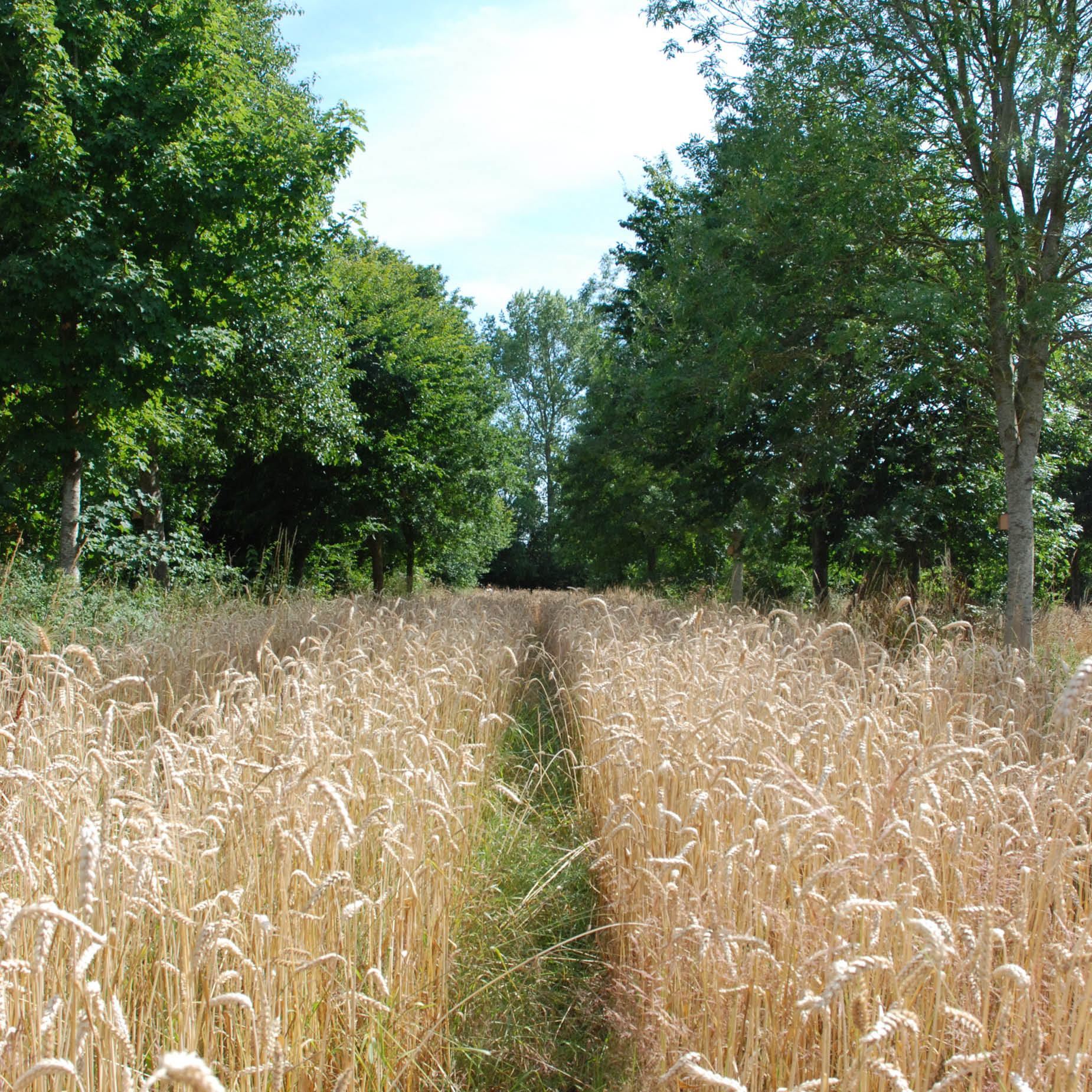
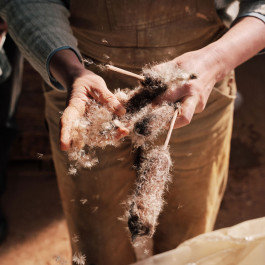
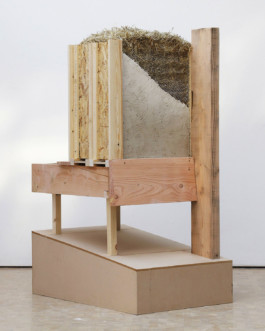
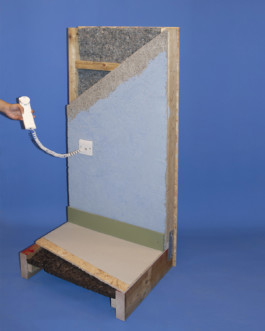
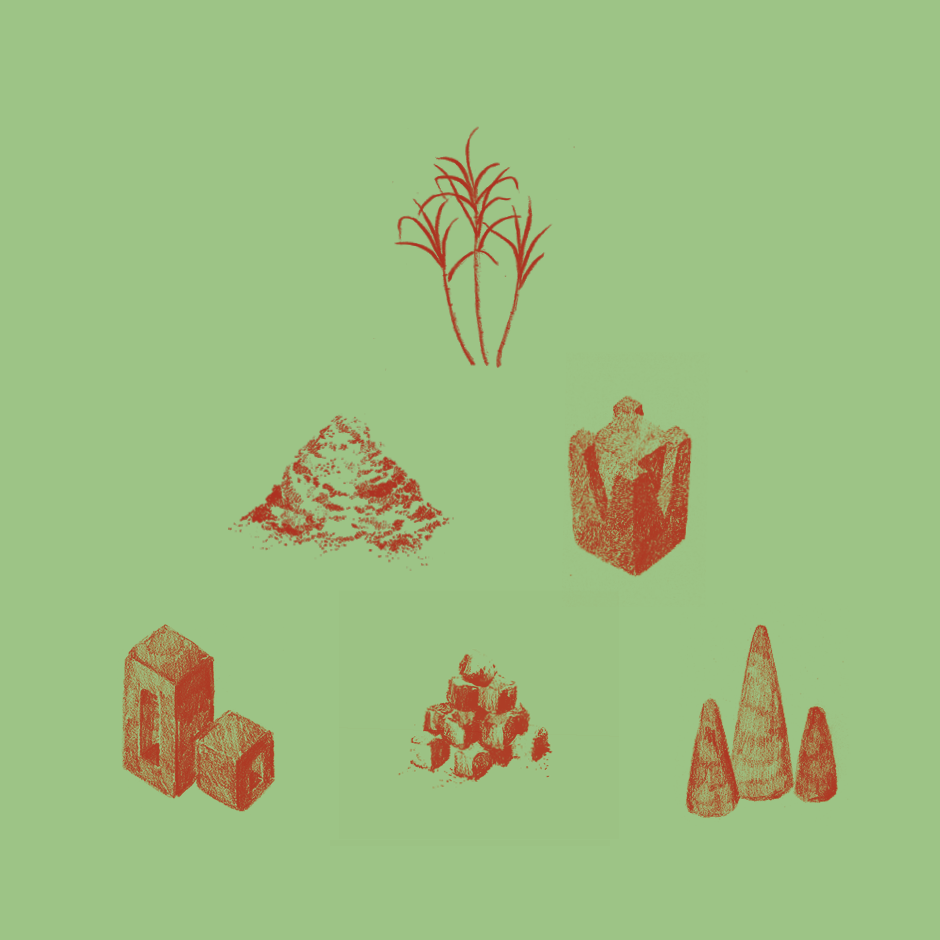
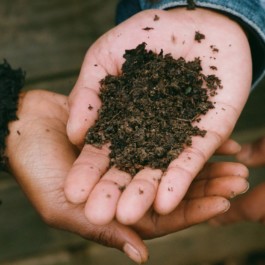
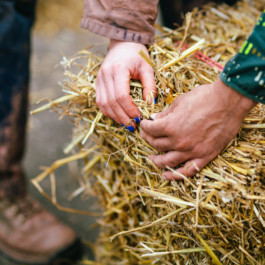
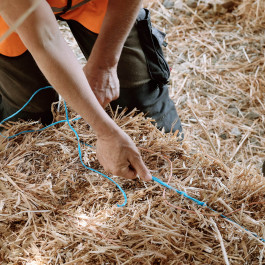
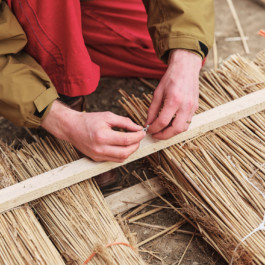
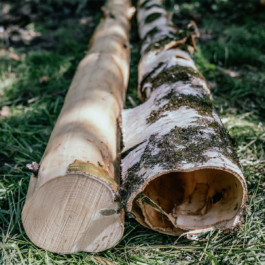
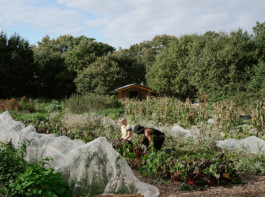
Agriculture and architecture, currently two of the most ecologically degrading human activities, have the potential to sequester carbon, restore natural habitats and stabilise the climate. Working with farmers and rooted in agroecological practice we will design and cultivate experimental landscape systems for the production of food crops and plant fibers prototyping them at a scale relevant to construction.


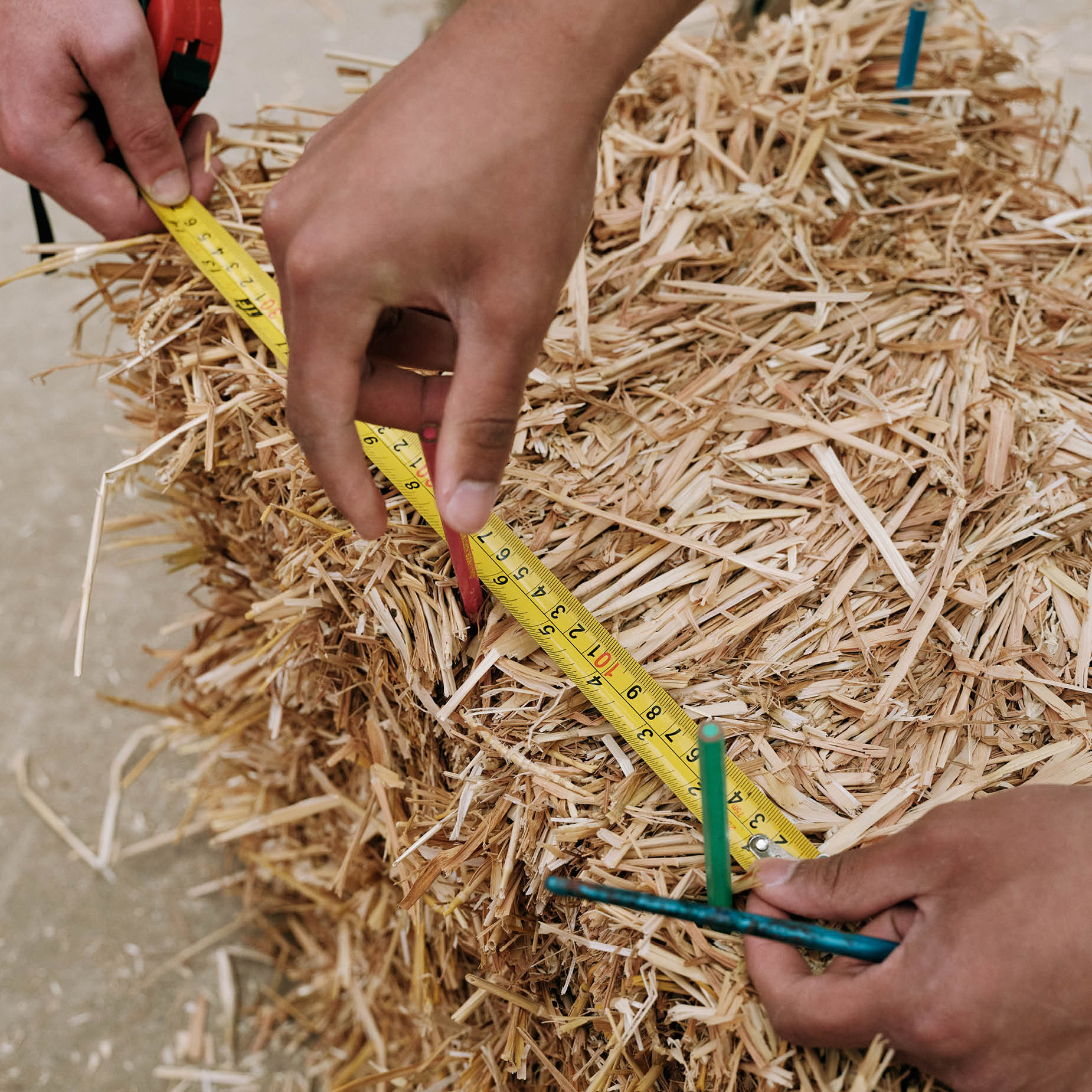
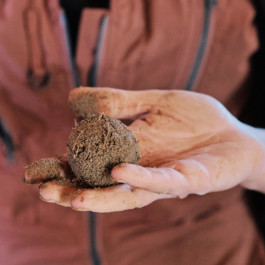
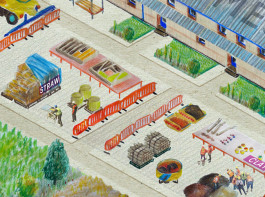
The Land Lab will incubate the skills, ideas and knowledge needed at the local and regional scales. Where industrialised construction tends towards standardisation and erases the particularities of place, the Lab is grounded in geographic and social specificity. Its testing infrastructure will support the development of regional materials and supply chains, informing a wider rethinking of standards.

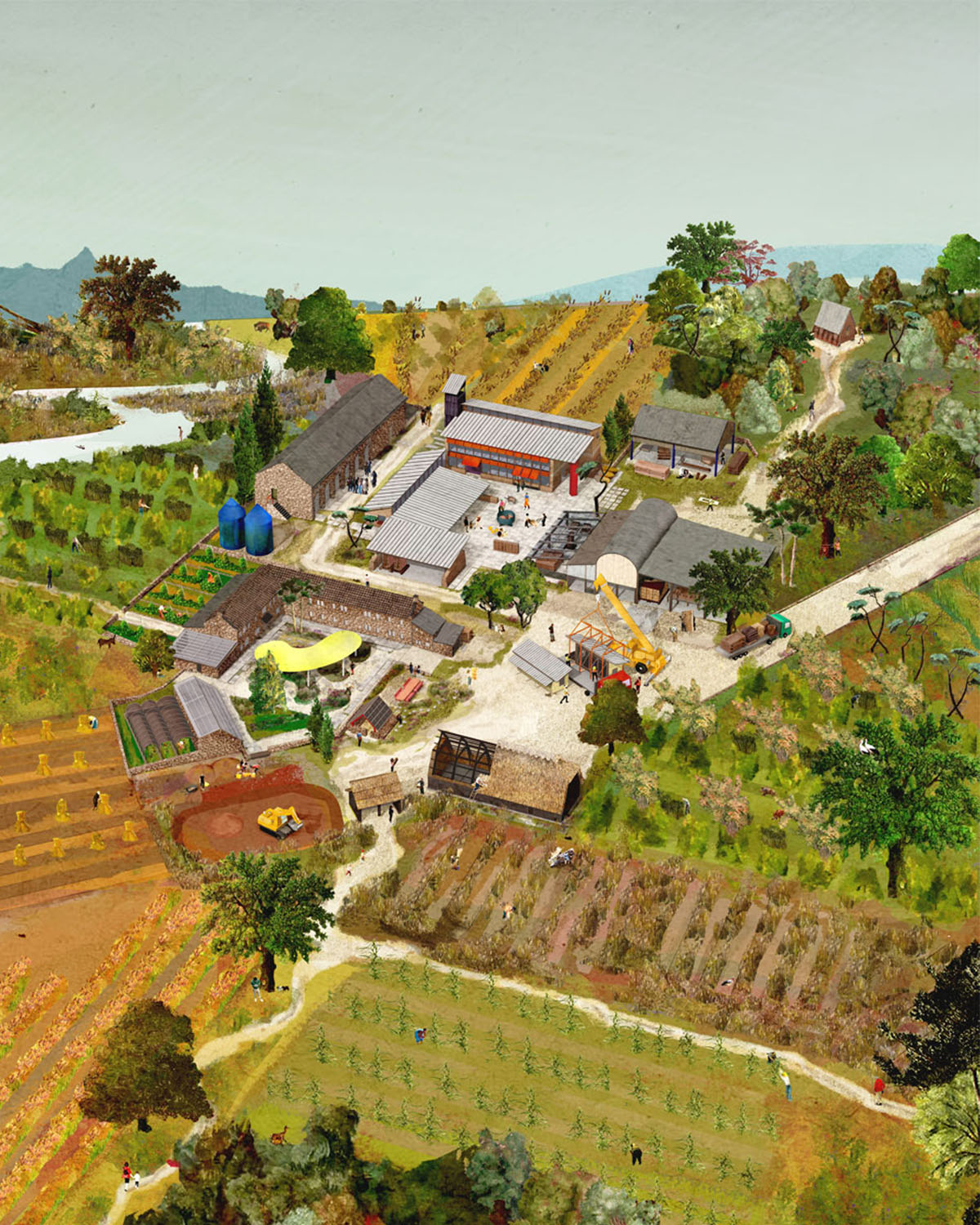


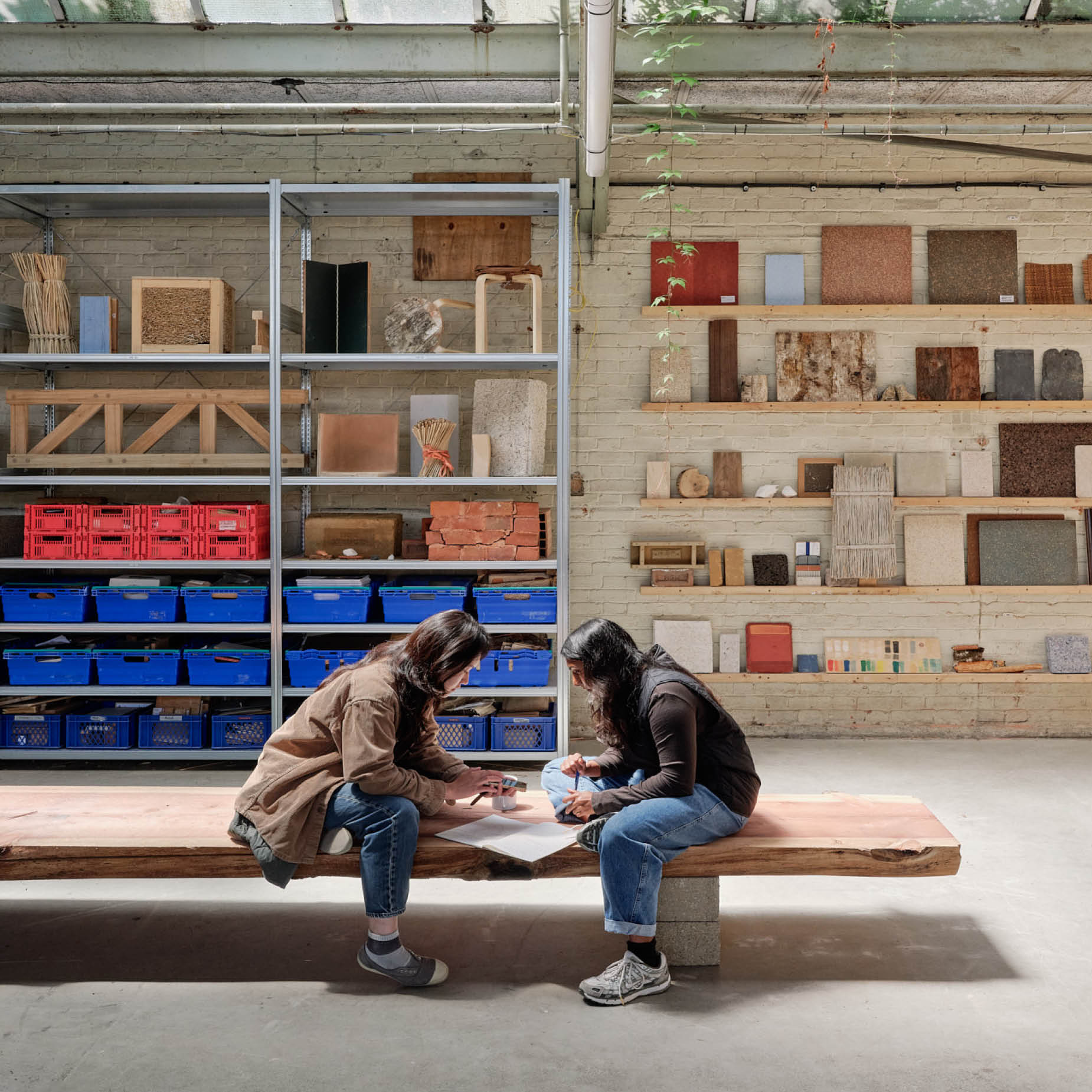
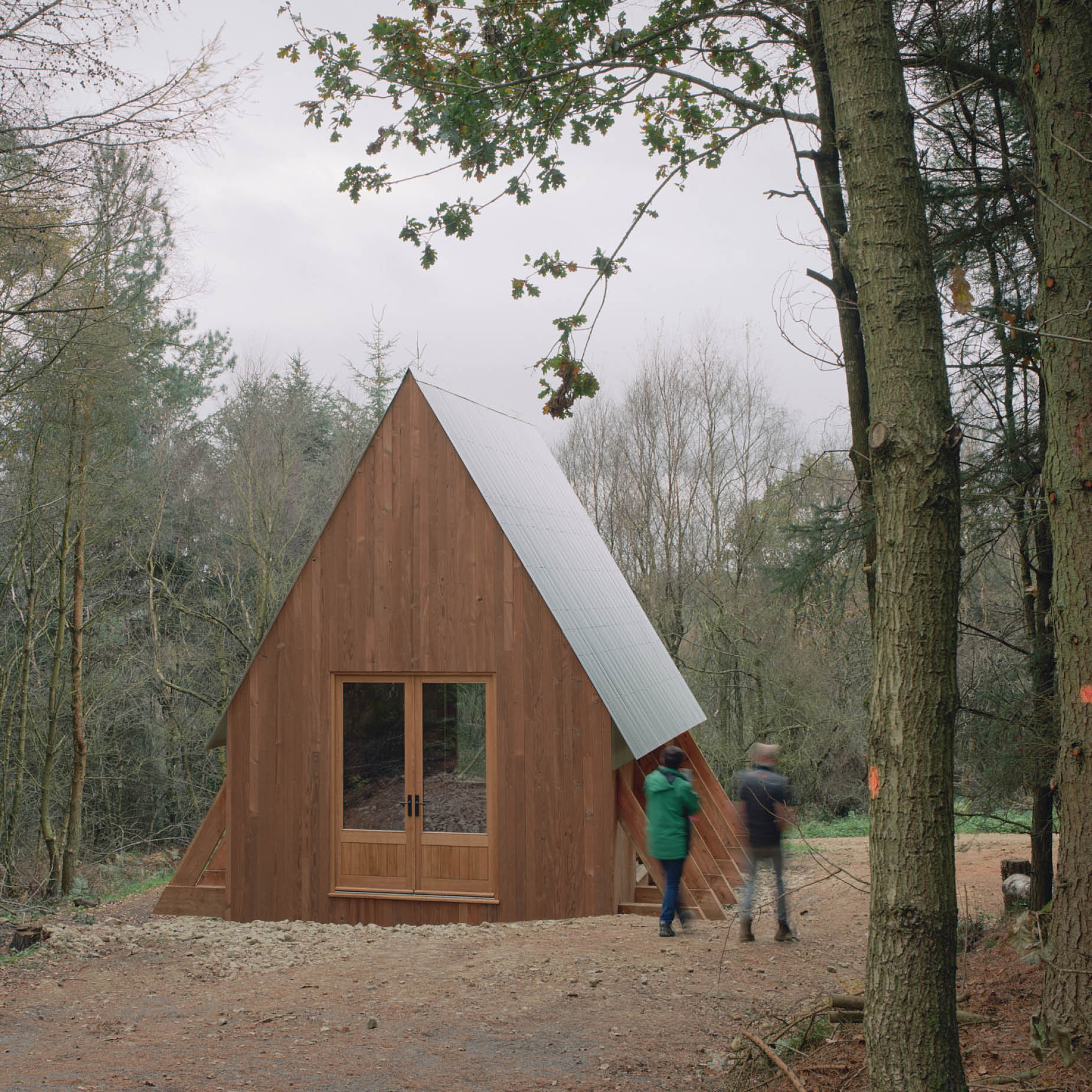
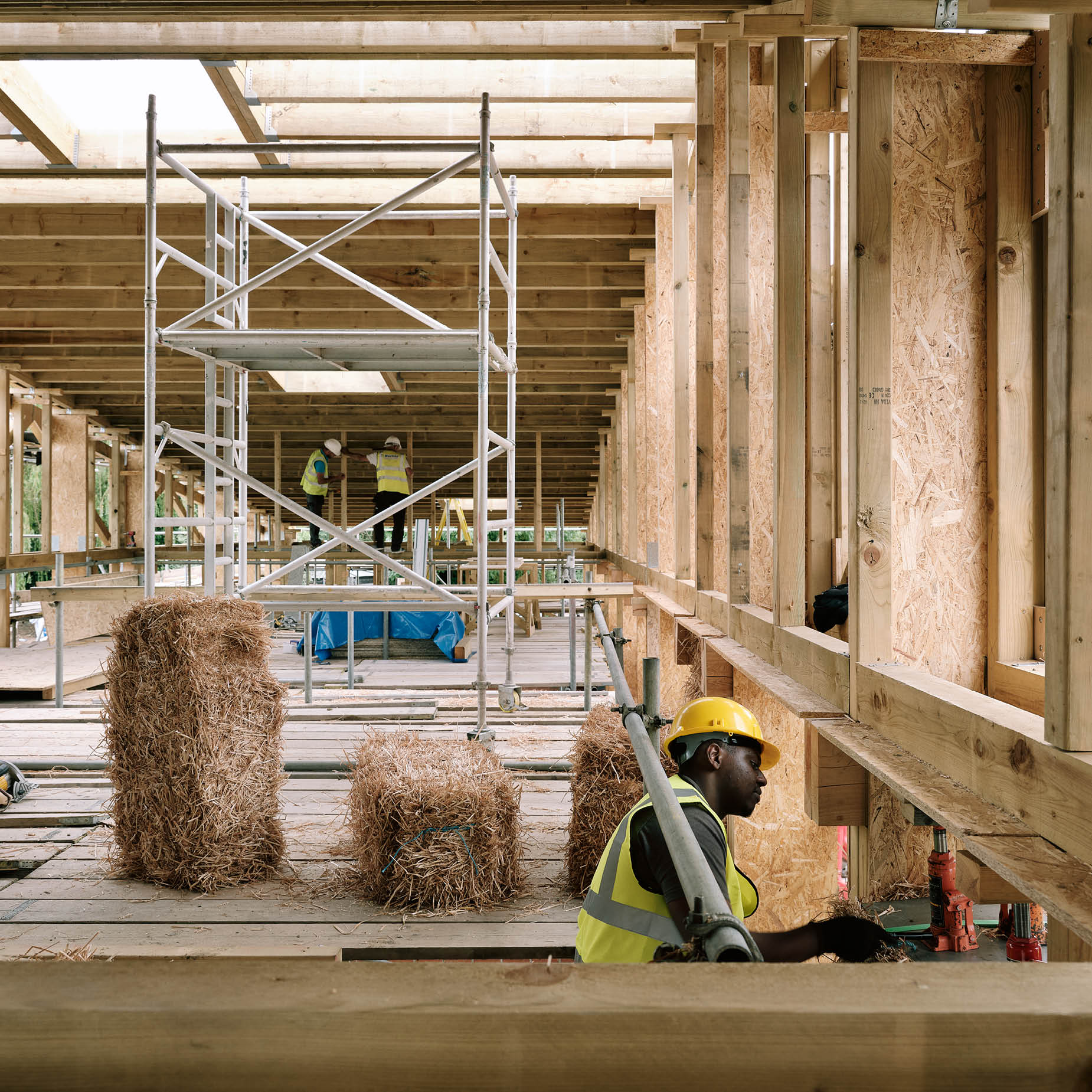
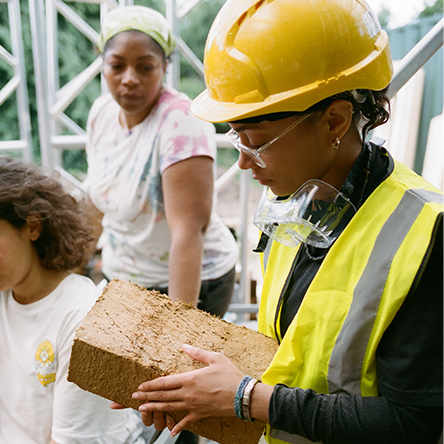
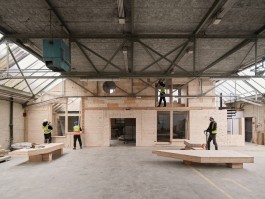
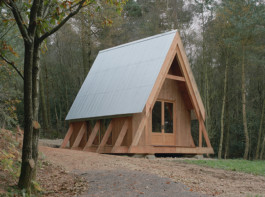
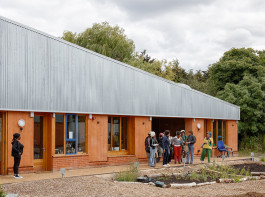
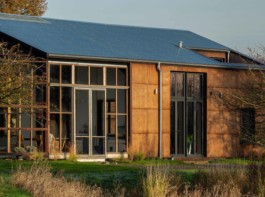
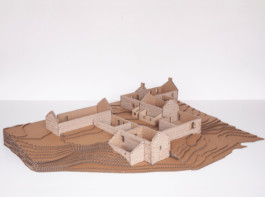
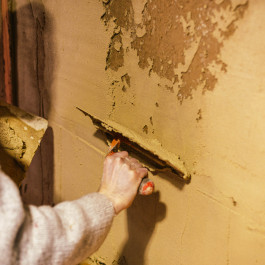
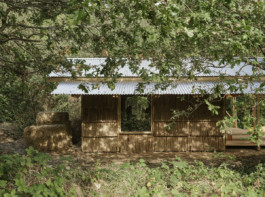
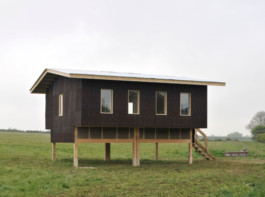
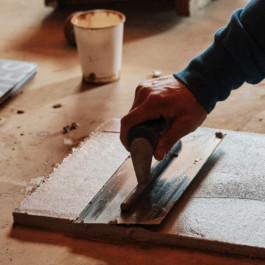
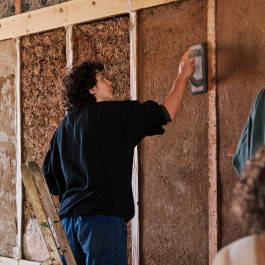
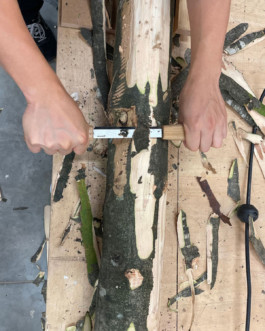
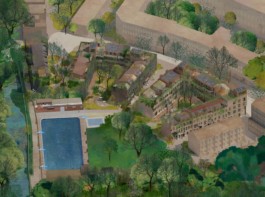
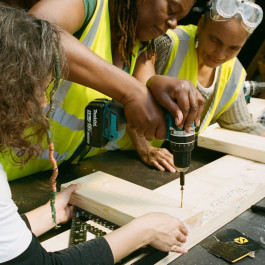
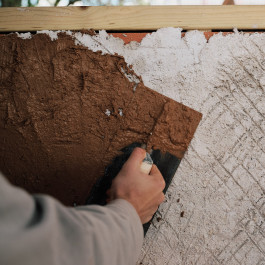
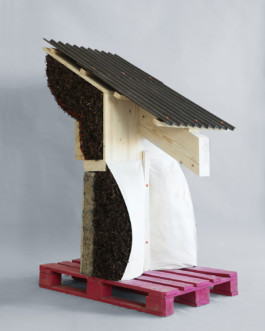
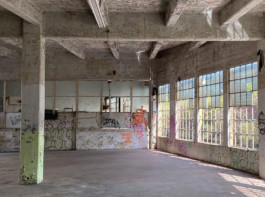
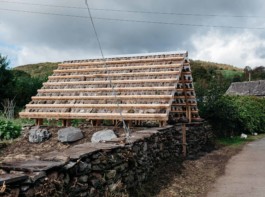
The Land Lab is conceived as a living laboratory, testing bioregional construction systems under real conditions, with real materials, at full scale. The structures on site will each be designed, built, lived and worked in by students and researchers. Each building will exist as a demonstration of the potential of an integrated approach to landscape and materials. Learning programmes will be rooted in making and doing, developing knowledge through direct experience, observation and collaboration.


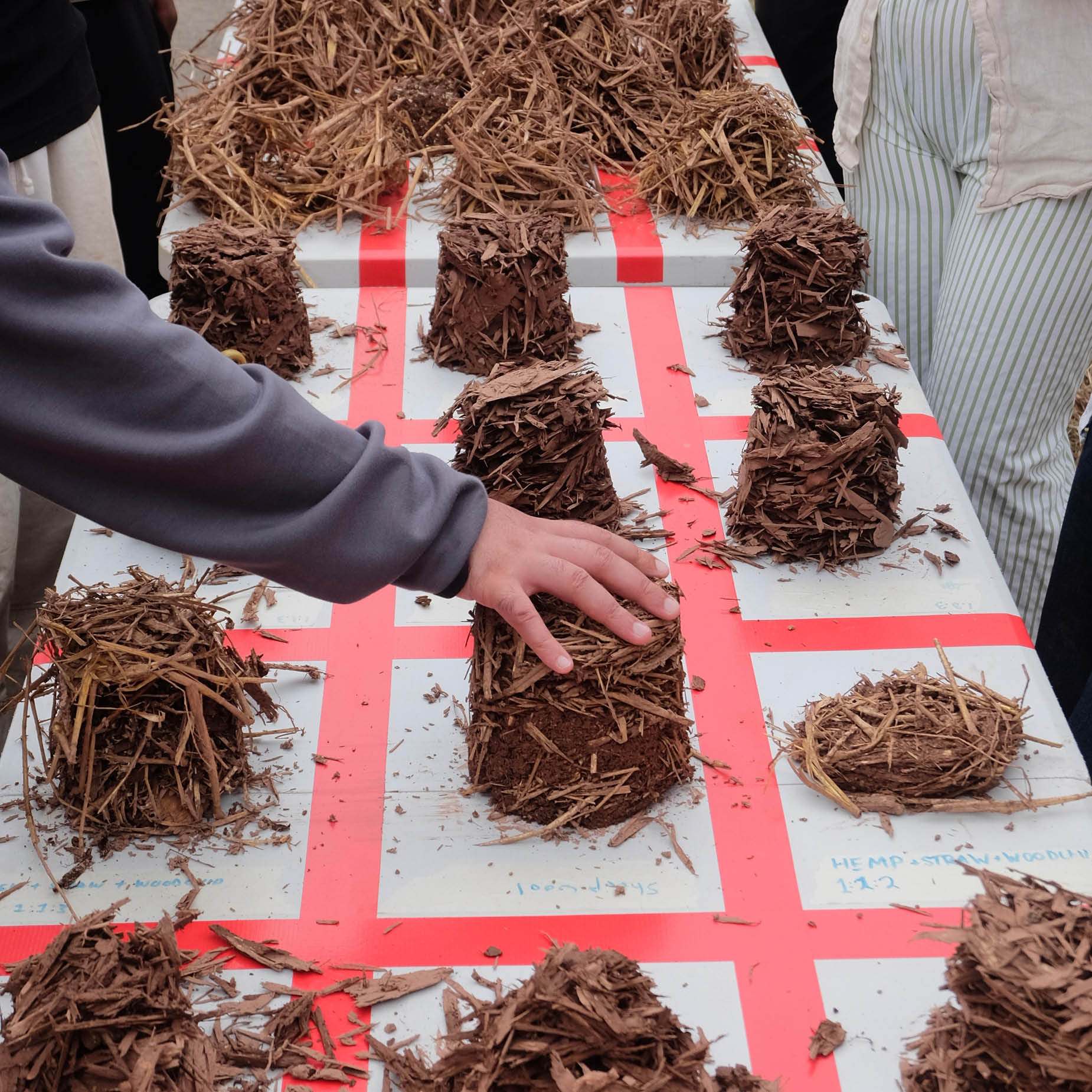
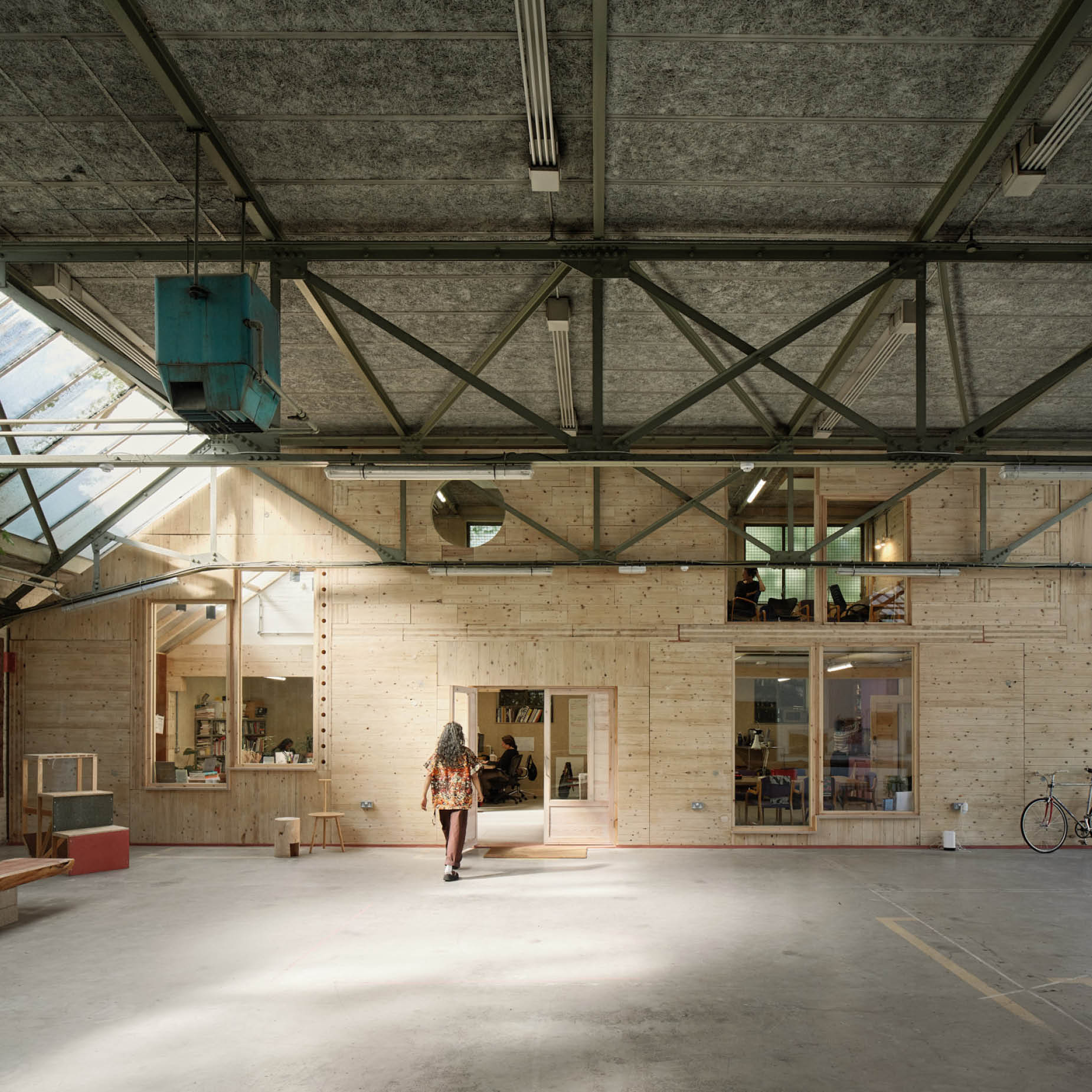
The Land Lab will be open to practitioners, communities, policymakers and researchers shaping the emerging practice of regenerative construction. It is conceived as a commons – a shared resource for a growing field of knowledge, and a place where the connections between ecology, construction and community can be explored together. As a social infrastructure, the Land Lab connects disparate communities to develop collective solutions to evolving situations. It will stand as a template, ready to be adapted and replicated.


Agriculture and architecture, currently two of the most ecologically degrading human activities, have the potential to sequester carbon, restore natural habitats and stabilise the climate. Working with farmers and rooted in agroecological practice we will design and cultivate experimental landscape systems for the production of food crops and plant fibers prototyping them at a scale relevant to construction.


The Land Lab will incubate the skills, ideas and knowledge needed at the local and regional scales. Where industrialised construction tends towards standardisation and erases the particularities of place, the Lab is grounded in geographic and social specificity. Its testing infrastructure will support the development of regional materials and supply chains, informing a wider rethinking of standards.


The Land Lab will be open to practitioners, communities, policymakers and researchers shaping the emerging practice of regenerative construction. It is conceived as a commons – a shared resource for a growing field of knowledge, and a place where the connections between ecology, construction and community can be explored together. As a social infrastructure, the Land Lab connects disparate communities to develop collective solutions to evolving situations. It will stand as a template, ready to be adapted and replicated.


The Land Lab will be open to practitioners, communities, policymakers and researchers shaping the emerging practice of regenerative construction. It is conceived as a commons – a shared resource for a growing field of knowledge, and a place where the connections between ecology, construction and community can be explored together. As a social infrastructure, the Land Lab connects disparate communities to develop collective solutions to evolving situations. It will stand as a template, ready to be adapted and replicated.